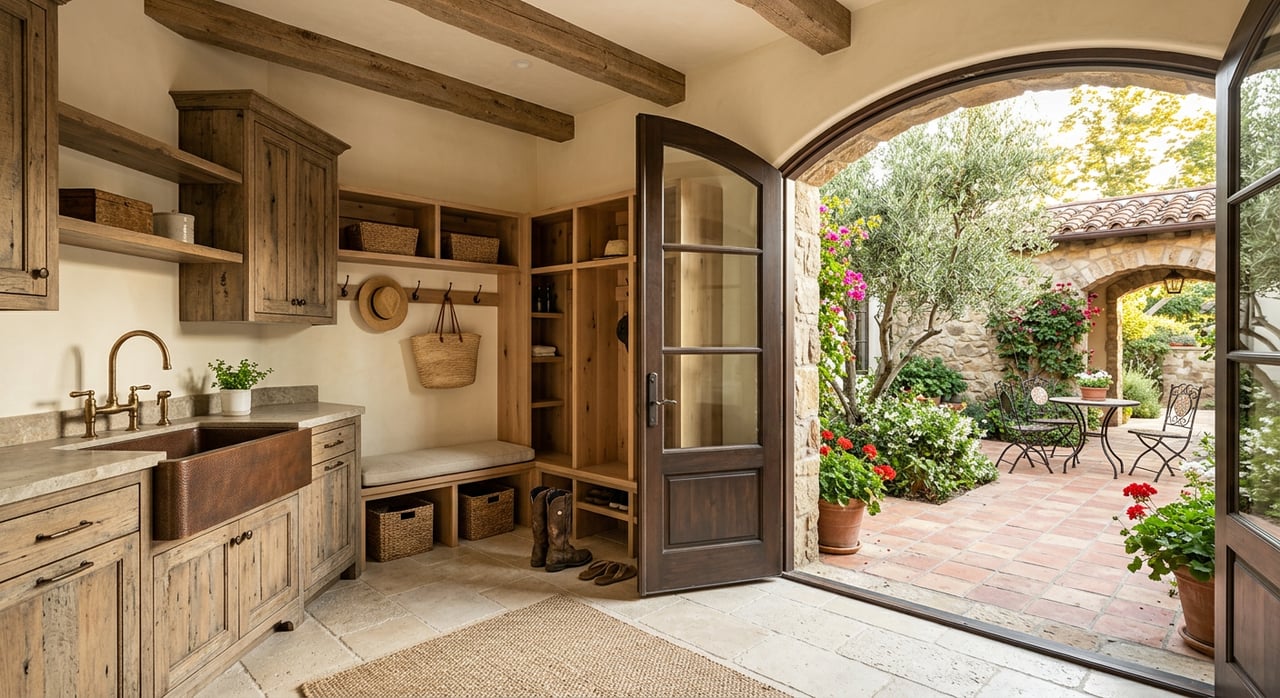
Thinking about buying acreage in Santa Ynez for a ranch, vineyard, or equestrian retreat? Rural property can look straightforward, but the details behind water, septic, zoning, access, and fire safety drive real value and costs. With a clear review plan, you can protect your goals and move with confidence. This guide walks you through what to verify before you write an offer and how to structure smart contingencies. Let’s dive in.
Start smart: pre-offer checks
Before you negotiate, ask the seller or listing agent for key records. Early clarity helps you price risk and set focused contingencies.
- Access: Recorded ingress and egress easements and any road maintenance agreement. Confirm who maintains the road.
- Water: Well permit number, well log, recent pump test or pump-down test, and lab-certified water quality results.
- Septic: Septic permit and as-built, pumping and inspection records, drainfield map, and any perc or soil reports.
- Permits: Any building permits, site plans, planning entitlements, or conservation easements.
- Fire safety: Whether the parcel is in a Fire Hazard Severity Zone and if a current defensible-space inspection certificate is required at sale under AB 38. Review the County Fire Department’s defensible space guidance.
Know your zoning and uses
Most Santa Ynez acreage lies in unincorporated Santa Barbara County and is regulated by the County’s Land Use and Development Code. Agricultural zones include AG-I and AG-II with specific zoning map symbols, such as AG-I-5 or AG-II-100, that set minimum lot sizes and standards. Review the code’s tables for allowed uses and minimum lot areas, then confirm any overlays before assuming visitor-serving or commercial activities are permitted. See the County’s Agricultural Zones section in the Land Use and Development Code.
What this means for you:
- Adding a second dwelling, ag employee housing, or a winery and tasting area may require discretionary approvals rather than a simple building permit.
- Commercial boarding, events, or larger visitor-serving operations often trigger MCUP or CUP review and can involve environmental analysis.
- Community plan overlays and Agricultural Industry or Airport overlays can further regulate uses.
Water and wells: what to verify
Groundwater in the Santa Ynez River Valley Basin is actively managed under California’s SGMA law. Local Groundwater Sustainability Agencies (GSAs) have adopted Groundwater Sustainability Plans and publish annual reports. Treat well supply and management obligations as core due diligence. Review the Santa Ynez Basin’s latest GSA annual reporting.
If you plan a new or modified well, permits in SGMA basins are processed only after written verification from the applicable GSA that the proposal is consistent with the GSP. Local GSAs outline steps, fees, and data requirements for these verifications under State Executive Order N-7-22. See example documentation on GSA written verification for well permitting in county SGMA basins here.
Buyer water checklist:
- Records: Well permit and construction log with depth, screened intervals, casing, and original static water level.
- Performance: Recent pump test or commission one with a licensed driller or hydrogeologist to confirm sustained yield and recovery.
- Quality: Lab tests for bacteria, nitrate, arsenic, total dissolved solids, and other parameters relevant to household, irrigation, or livestock uses.
- Management: Ask the GSA about well registration, metering, and whether a groundwater extraction fee is under consideration. For example, the Eastern Management Area GSA has held workshops on an extraction fee rate study, which signals potential future costs under GSP implementation. Review the EMA GSA’s public workshop materials.
Septic systems: records and limits
On-site wastewater systems are permitted and overseen by Santa Barbara County Environmental Health Services. The County’s rules specify siting, design, and access risers for tanks, and they prohibit hollow seepage pits. Leachline systems are the norm, with alternative systems considered case by case. Start with a file pull and review the County’s homeowner guidance on septic systems here.
If you plan to add bedrooms or new structures, EHS will require proof of capacity. In some areas designated as Special Problem Areas, expansion can be limited. Los Olivos is a local example where shallow groundwater and nitrate concerns drive stricter wastewater planning. Review the County plan overview in the Los Olivos Wastewater Management Plan.
Septic checklist:
- Records: Permit number, as-built drainfield map, tank size, system type, installation date, and recent pumping or inspection receipts.
- Feasibility: If you intend to expand, confirm there is an approved reserve area and whether a new perc test is required.
- Condition: Have a qualified septic professional inspect the tank, distribution, and leach area. Look for signs of surfacing effluent or root intrusion.
Access, roads, and utilities
Rural access can be complex. A visible driveway does not always equal recorded legal access or maintenance rights. Ask title to confirm ingress and egress easements and seek any recorded road maintenance agreements.
For new construction or major renovations, the County Fire Department enforces apparatus access and clearance standards. Budget for driveway improvements, turnarounds, or vegetation management. Start with the County Fire defensible space program and verify standards early.
Utility extensions can be costly in rural settings. Contact providers in planning stages for capacity and extension estimates, especially if you need three-phase power for processing equipment or large workshops. Propane, solar with battery storage, and backup generators are common.
Outbuildings, wineries, and ag uses
Barns, stables, sheds, and similar agricultural accessory structures are typical in AG zones, but intensity matters. Visitor-serving uses such as tasting rooms with events, commercial boarding, or larger wineries often move you from ministerial permits to discretionary review. Confirm current rules and any Agricultural Enterprise updates in the County’s Agricultural Zones section of the code.
Also plan for manure management and proper washwater handling for barns and arenas, which may require Environmental Health review to protect water quality.
Equestrian and vineyard specifics
- Equestrian: Match animal numbers to practical carrying capacity based on water, pasture, and manure handling. Verify setbacks for stalls and manure storage. If you plan boarding or training services, check whether the use is permitted or requires discretionary approvals.
- Vineyard: Screen soils, slope, and exposure using the USDA NRCS Web Soil Survey, then bring in a viticultural consultant for deeper site analysis. Vineyard development can require grading and erosion-control permits. Commercial processing or tasting commonly requires additional entitlements.
Wildfire and environmental overlays
Santa Barbara County Fire and Cal FIRE released updated Local Responsibility Area Fire Hazard Severity Zone maps. If your parcel lies in a Moderate, High, or Very High hazard zone, expect defensible space requirements and, for many sales, a PRC 4291 inspection certificate under AB 38. Read the County Fire update on new hazard maps.
Environmental overlays can affect building envelopes and timing. Ask County Planning about riparian setbacks, wetlands, sensitive habitat, archaeological resources, and airport or coastal overlays that may limit grading or development.
Your due diligence timeline
Use a phased approach that reduces risk and keeps momentum.
- Title and access: Order a preliminary title report. Confirm all access easements and any conservation or agricultural easements.
- Zoning and permits: Verify AG-I or AG-II zoning, overlays, and allowed uses. Confirm that existing improvements have permits and ask about any entitlements required for your intended use. Reference the County’s code tables for AG zones.
- Septic: Pull Environmental Health files and schedule a septic inspection. If you plan additions, ask about perc testing and required reserve area. See County guidance here.
- Water: Obtain the well log and run a pump test and lab sampling if recent data is missing. Confirm any GSA requirements for well registration or written verification for new or modified wells. See example GSA documentation here.
- Roads and fire: Confirm any road maintenance agreements. Have County Fire advise on driveway access and defensible space obligations at the concept stage. Start with the defensible space program.
- Site consultants: Order topographic and boundary surveys, soils or geotechnical review if slopes are present, and engage vineyard or equine specialists as needed.
Who to hire and when
- Real estate or land-use attorney: For complex easements, conservation easements, or overlay constraints.
- Licensed land surveyor: To confirm boundaries, access corridors, and potential building envelopes.
- Civil engineer or septic designer: For septic expansion, barn or arena drainage, and grading.
- Licensed well driller or hydrogeologist: For pump testing, long-term yield assessment, and SGMA-related planning.
- Viticultural consultant: For soils, varietal selection, frost and irrigation planning, and trellis design.
- Equine facility designer or veterinarian consultant: For stall layout, manure handling, and pasture management.
- Fire mitigation contractor: For PRC 4291 defensible space and home-hardening planning.
Red flags to pause for
- No recorded legal access or unclear road maintenance responsibilities.
- Missing well log or recent pump test, or water quality that fails for nitrate, coliform, or arsenic without a clear remedy.
- Septic files missing, evidence of surfacing effluent, or limited area for expansion, especially within a County Special Problem Area like Los Olivos.
- Location in a High or Very High Fire Hazard Severity Zone with significant required fuel reduction and potential insurance impacts.
- Unpermitted major structures or agricultural processing uses, or recorded easements that conflict with your plans.
Bottom line
Acreage in Santa Ynez rewards careful buyers. When you confirm access, water, septic, zoning, fire safety, and overlays in the right order, you protect both lifestyle and investment. If you want a discreet, seasoned partner to coordinate the right specialists and negotiate from strength, connect with Jan Finley to Request a Confidential Consultation.
FAQs
What should I verify before offering on Santa Ynez acreage?
- Ask for legal access easements, well and septic permits with recent tests, building permits and site plans, and any planning entitlements or conservation easements. Confirm whether a defensible-space inspection is required at sale.
How are private wells managed in the Santa Ynez Basin under SGMA?
- Local GSAs oversee sustainable management and require written verification for new or modified wells to align with adopted plans. Expect possible metering, reporting, or extraction fees as implementation progresses.
What septic documents do I need when buying a rural property?
- Request the septic permit, as-built map, tank size and system type, pumping and inspection records, and any perc or soil reports. If you plan to expand, confirm an approved reserve area and feasibility with Environmental Health.
Can I build a barn or add a tasting room on AG land?
- Many ag accessory structures are allowed, but visitor-serving uses like tasting rooms or commercial boarding often need discretionary permits. Check zoning tables, overlays, and community plan standards before you assume a use is permitted.
What are wildfire requirements for Santa Ynez properties?
- If the parcel is in a designated Fire Hazard Severity Zone, you must maintain defensible space under PRC 4291, and many sales require an inspection certificate under AB 38. Budget for vegetation work and possible home hardening.
Who should be on my due diligence team for acreage?
- Plan for a title officer, land-use planner or attorney, septic designer, licensed well driller or hydrogeologist, surveyor, and specialty consultants for vineyard or equestrian goals, plus a fire mitigation professional where needed.