Solvang Real Estate Lifestyle: Village Charm or Valley Estates
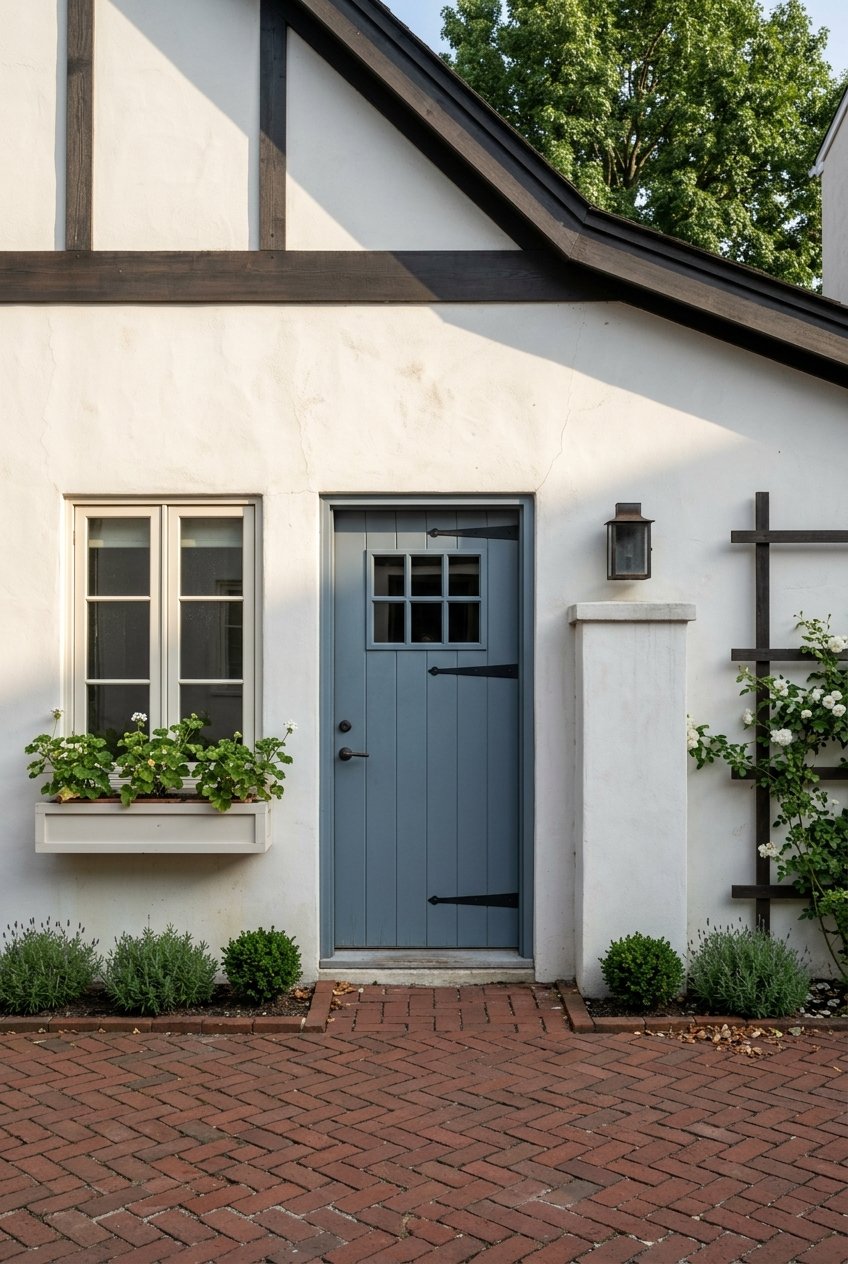
If you are wondering what it is really like to live in Solvang, the answer is more layered than the postcard version. You get a compact, walkable village with a distinct Danish identity, but you also get a wider valley setting that supports larger homesites, rural character, and more private estate living. If you are considering a move, second home, or sale in the area, understanding those two sides of Solvang can help you find the right fit. Let’s dive in.
Solvang was founded by Danish-Americans in 1911 on former Rancho San Carlos de Jonata, and that heritage still shapes the town today. The city and local visitor materials describe a setting defined by Scandinavian windmills, flower-lined streets, traditional festivals, unique shops, restaurants, cafes, and dozens of wine tasting rooms.
Solvang also functions as a destination, not just a residential town. City and visitor information notes that more than 1 million visitors come each year, which helps explain why downtown often feels lively and active compared with a typical small suburb.
Even with that visibility, Solvang remains relatively intimate in scale. The city’s demographic page lists a population of 6,126, an average household size of 2.34 persons, and 29.9 percent of residents as seniors, all of which supports the sense of a smaller, established community.
One of the clearest ways to understand Solvang is to think in terms of two lifestyle buckets. On one side, you have the pedestrian village core, where mixed-use patterns, shops, restaurants, and walkability shape everyday life. On the other, you have the valley and estate setting, where larger lots and a more rural feel become part of the appeal.
That framing matches the city’s planning and zoning pattern. Solvang’s adopted zoning map includes Village Mixed-Use, Retail Commercial, Estate Residential, several residential density categories, Mobile Home Park, Park, Open Space, and Agricultural Tourist zones.
In simple terms, Solvang is not one-note. It is a compact Danish village with a mixed-use downtown, a largely single-family housing base, and a surrounding valley landscape that supports estate, ranch, and agricultural living.
If you are drawn to walkability, convenience, and lower-maintenance living, the village area may be what stands out first. The city’s planning documents describe the Village Area as the heart of Solvang, with the Village Core and Mission Design Districts helping define the town’s character and form.
City policy in that area encourages mixed uses, residential uses, and pedestrian-oriented development. The 2024 zoning update also supports more housing opportunities in the Village Area, including mixed-use development and live/work units in commercial zones.
For buyers, that can translate into a lifestyle where daily errands, dining, tasting rooms, and local events are more accessible without needing to drive everywhere. Official visitor materials describe Solvang as a pedestrian-friendly village with museums, inns and hotels, restaurants, bakeries, retail shops, a trolley, and the Solvang Theaterfest.
This part of town is also shaped by design standards. The city’s adopted planning framework includes objective standards for the Village and Mission Design Districts to maintain Solvang’s Danish and Northern European design theme, which helps preserve the look and feel that many buyers find memorable.
If your ideal home includes more privacy, space, or a stronger connection to the rural Santa Ynez Valley landscape, Solvang’s estate-oriented areas may feel like a better match. The zoning pattern includes Estate Residential categories, and the city’s 2024 zoning update also added Agricultural Tourist uses and standards for guest-ranch land use.
While planning documents are not a parcel-by-parcel inventory, they do support the idea that Solvang can accommodate both compact in-town living and larger-lot, rural-lifestyle properties. That matters if you are looking for a home that feels more tucked away, with room for outdoor living and a broader valley setting.
For many luxury and second-home buyers, this is where Solvang becomes especially compelling. You can enjoy proximity to the village while still prioritizing acreage, privacy, and the open-space character that defines much of the Santa Ynez Valley.
Solvang’s housing stock offers another useful clue about daily life. According to the city’s housing element data, detached single-family homes make up 58.4 percent of the housing stock, followed by multifamily units at 36.7 percent and mobile homes at 5 percent, across 2,522 total housing units.
That means Solvang is still primarily a single-family market, even though it includes more than one housing type. If you are exploring options, you are not limited to a single pattern of ownership or home style.
The city demographic page also lists a median owner-occupied housing value of $725,100. That figure is best used as broad context, not as a substitute for current pricing on a specific home or property type, but it does help frame Solvang as a place where ownership has meaningful value in a relatively small market.
Life in Solvang often feels active, especially near town. Official materials highlight a dense cluster of amenities, including museums, bakeries, shops, restaurants, wine tasting rooms, hospitality uses, and community venues.
Events are part of that rhythm as well. The city’s special-events information says Solvang hosts numerous festivals, parades, and shows intended to support liveliness, quality of life, and the local economy, while visitor materials point to major traditions like Solvang Danish Days and Solvang Julefest.
For you as a homeowner, that can be a positive if you enjoy an animated small-town environment with year-round activity. It can also be a factor to weigh carefully if you prefer a quieter setting, especially near the most visited parts of town.
Although Solvang is known for its village center, the broader outdoor setting is a major part of local appeal. Santa Barbara County’s open-space planning framework emphasizes outdoor recreation, preservation of natural resources, public health and safety, and the managed production of resources.
The county’s Agricultural Preserve Program also supports long-term conservation of agricultural and open-space lands. That wider planning context helps explain why the landscape around Solvang feels so distinct and enduring.
If you want easy outdoor access near town, county parks include Nojoqui Falls Park and Santa Ynez Park. County materials describe Nojoqui Falls as a short trail to the falls, while Santa Ynez Park offers playground equipment, picnic areas, and a volleyball court.
Solvang can appeal to different kinds of buyers because it offers more than one way to live. If you want a home base where you can enjoy walkability, dining, events, and a recognizable village atmosphere, the core of town may be the right fit.
If you are searching for a property that feels more private and spacious, with a rural valley backdrop and room to spread out, the estate and ranch-oriented side of the market may be more aligned with your goals. This is often where lifestyle priorities like views, land, and a stronger sense of retreat come into focus.
For sellers, that same split matters when positioning a property. A village-adjacent residence and a valley estate do not compete on the same lifestyle story, so the marketing approach should reflect what buyers are actually seeking.
Solvang looks simple at first glance, but the market is shaped by planning districts, land-use patterns, tourism, housing diversity, and the wider Santa Ynez Valley setting. That is one reason local context matters whether you are buying your first home here, searching for a second home, or preparing to sell a high-value property.
A thoughtful strategy starts with the right lens. You want to evaluate not just the home itself, but also how the location lives day to day, how the surrounding zoning and land-use context may shape the area, and how the property fits into the broader Solvang market story.
If you are considering a move to Solvang or preparing to sell, working with a local advisor who understands both the village character and the valley estate landscape can make the process clearer and more strategic. To discuss your goals with a discreet, founder-led team, connect with Jan Finley.
Stay up to date on the latest real estate trends.
Get assistance in determining current property value, crafting a competitive offer, writing and negotiating a contract, and much more. Contact me today.
Get in touch to learn more.
ADDRESS
Compass
801 Chapala St
Santa Barbara, CA 93101
MAILING ADDRESS
PO Box 311, Santa Ynez, CA 94360