Goleta Estates Relocation Guide to Coastal Neighborhoods
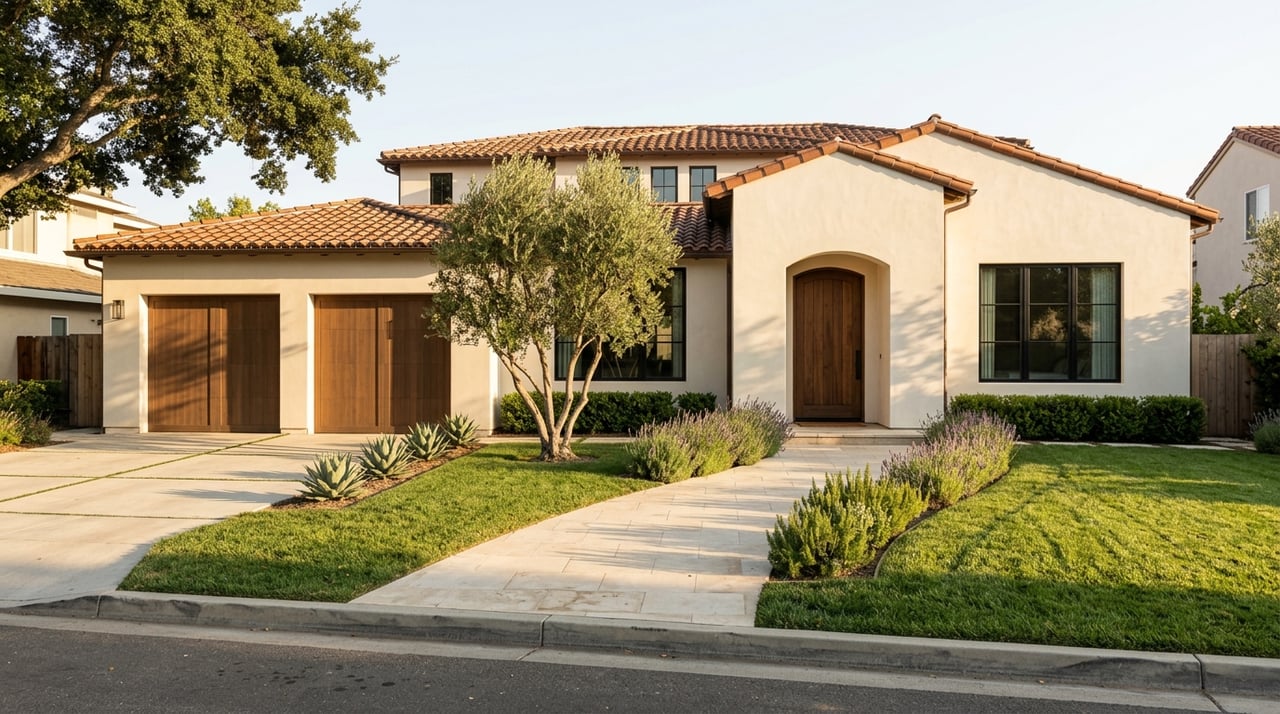
Thinking about a move to Goleta and wondering whether the right fit is closer to the coast, tucked into a quieter estate-style setting, or centered in one of the city’s established residential neighborhoods? If you are relocating from outside the area, the choices can feel similar at first glance, but they live very differently day to day. This guide will help you understand how Goleta is laid out, what distinguishes its coastal and estate-oriented pockets, and what practical factors matter most before you buy. Let’s dive in.
Goleta sits on the South Coast of Santa Barbara County, about 10 miles west of Santa Barbara, on an 8-square-mile coastal plain between the Santa Ynez Mountains and the Pacific. The city describes itself as a mix of single-family homes, apartments, shopping, farms, and high-tech manufacturing, which gives it a more suburban feel than neighboring Santa Barbara.
That suburban profile shows up in the data as well. Census figures report a median household income of $122,370, an owner-occupied housing rate of 50.7%, and an average household size of 2.63 in Goleta. Compared with Santa Barbara, those numbers support the idea that Goleta often appeals to buyers looking for a more owner-occupied, lower-density setting.
The city’s planning framework also helps explain the feel on the ground. Many residential areas grew from relatively large subdivision tracts of modest single-story ranch-style homes dating from the 1950s forward, and the city emphasizes neighborhood scale, open-space protection, and compatibility for new or remodeled homes.
If your relocation goals center on ocean proximity, open land, and a quieter coastal atmosphere, western Goleta is usually where your search becomes more focused. This part of the city includes the Pacific shoreline, Santa Barbara Shores Park, the Sperling Preserve, and the city’s only coastal resort, Bacara.
The city’s coastal planning framework protects scenic coastal views and prioritizes public access and coastal recreation. In practical terms, that helps preserve the coast-oriented character that draws many buyers to this side of Goleta.
Ellwood Mesa is one of the clearest examples of that appeal. The city says it includes more than 200 acres of open space and is tied to the monarch butterfly grove, making it a strong draw for buyers who want bluff-top scenery, trails, and a more tucked-away coastal setting.
For many relocators, this western edge feels distinct from inland Goleta. You are closer to open space and shoreline amenities, and the setting tends to feel more spacious and visually connected to the coast.
If you are looking for a more estate-like environment, Goleta does have areas that may align better with that goal, even if the city is not defined primarily by large estates. Based on the city’s planning documents, the foothill areas in the northeast and parts of the western edge are the places where lower-density patterns, scenic views, and open-space character are most apparent.
The northeast residential community extends into the foothills, where the general plan emphasizes compatibility, scenic views, and preservation of agricultural and open-space character. For buyers relocating from denser urban markets, this can be an appealing middle ground between suburban convenience and a more expansive residential setting.
The southwest and northwest residential communities are also described as predominantly low-density neighborhoods. That matters if you want more breathing room, calmer streets, and a setting that feels less tied to commercial corridors.
While the city plan does not label these areas as luxury districts, it does support the idea that buyers seeking privacy, views, and lower-density surroundings should pay close attention to foothill and western-edge locations.
Not every relocation to Goleta is about bluff-top views or estate character. Some buyers want a home base with easier access to shopping, services, and commuter routes, and Goleta offers that too.
The city identifies Old Town, Calle Real/Fairview, and Camino Real Marketplace as the main commercial nodes. Multifamily housing is concentrated along the Hollister Avenue corridor from Old Town to the Ellwood Beach-Matilda area and near Calle Real, while many southwest and northwest residential communities remain lower density.
This mix gives you options. You can choose a more established single-family neighborhood with a suburban feel, or you can prioritize access to retail, dining, and everyday services near Goleta’s main commercial areas.
For some households, that balance is exactly the draw. You get a city with practical amenities and employment access, but one that still holds onto neighborhood scale and open-space identity.
One of the strongest reasons people choose Goleta is not just the housing stock. It is the amount of open space woven into daily life.
The city says it has about 550 acres of parks and open space, including neighborhood parks, community parks, regional open spaces, and mini parks. That level of access is a meaningful part of Goleta’s long-term appeal, especially if you want outdoor recreation close to home.
Lake Los Carneros is a good example of how that plays out in a neighborhood setting. Located off North Los Carneros Road next to Rancho La Patera and Stow House, it offers trails, walking, biking, wildlife viewing, and fishing.
If beach access is not your top priority, areas near Los Carneros may deserve a closer look. They can offer a quieter residential feel with immediate connection to trails and natural space.
When you relocate, lifestyle is only part of the equation. Your daily movement through the region matters just as much.
Goleta’s general plan identifies US-101 as the major traffic artery connecting Goleta with Santa Barbara and northward through the county. The city also reports that the average commute to work for people living in the greater Goleta area is less than 15 minutes, even though many people who work in Goleta commute from farther away.
That can be a meaningful advantage if you want to stay close to local job centers. The office and light-industrial corridor between Fairview and Storke contains many of the Goleta Valley’s largest employers, and UCSB is a major adjacent employment center just south of the city boundary.
Santa Barbara Airport is another major convenience factor. In 2026, the airport advertises 26 daily nonstop flights to 13 destinations on five airlines, including service to hubs such as Los Angeles, San Francisco, Denver, Chicago, Seattle, Dallas-Fort Worth, Phoenix, Salt Lake City, Portland, Las Vegas, Oakland, Sacramento, and San Diego.
For frequent travelers or relocating executives, that level of regional air access can be a real advantage. It is one of the practical reasons Goleta often stands out on the South Coast.
Goleta is still more car-dependent overall than Santa Barbara, with a Walk Score of 44 compared with Santa Barbara’s 61. At the same time, it is more bike-friendly, with a Bike Score of 73 versus Santa Barbara’s 68.
Many buyers relocating to the area compare the two cities side by side. In simple terms, Goleta usually reads as the more suburban, airport-convenient, and owner-occupied option, while Santa Barbara tends to feel denser and more walkable.
There is also a pricing distinction. Recent market snapshots showed a median sale price of $1,266,846 in Goleta in April 2026, compared with $1,849,045 in Santa Barbara, with both markets described as very competitive.
Goleta’s April 2026 sale-to-list ratio was 101.0%, and median days on market were 37. For buyers, that means you should still expect competition, even if Goleta may offer a different value equation than Santa Barbara.
Goleta’s housing character is shaped by both history and planning. Many neighborhoods began with modest ranch-style homes, and the city continues to emphasize compatibility, open space, and preservation-oriented growth.
That can be a positive for buyers who care about stability in neighborhood character. The city’s long-range planning framework focuses on open-space protection, agricultural land preservation, balanced housing types, and neighborhood compatibility, which tends to limit rapid physical change.
If you are relocating with a long-term view, that planning approach is worth understanding. It helps explain why some parts of Goleta feel settled, low scale, and consistent over time.
Before you narrow your search, it helps to define what daily life needs to feel like once you arrive. In Goleta, two homes with similar square footage can offer very different experiences depending on whether you prioritize coast, commute, open space, or in-town convenience.
A few practical questions can help guide your search:
The strongest relocation strategy is usually to match neighborhood pattern with lifestyle, not just price point. That is especially true in Goleta, where subtle location differences can shape your experience more than buyers expect.
If you are weighing Goleta’s coastal neighborhoods against its quieter low-density pockets, a local read on the street-by-street differences can save time and help you focus on the right opportunities. For tailored guidance on relocating within Goleta and the broader South Coast, connect with Jan Finley.
Stay up to date on the latest real estate trends.
Get assistance in determining current property value, crafting a competitive offer, writing and negotiating a contract, and much more. Contact me today.
Get in touch to learn more.
ADDRESS
Compass
801 Chapala St
Santa Barbara, CA 93101
MAILING ADDRESS
PO Box 311, Santa Ynez, CA 94360