Why a Montecito Estate Listing Agent Offers Boutique Value
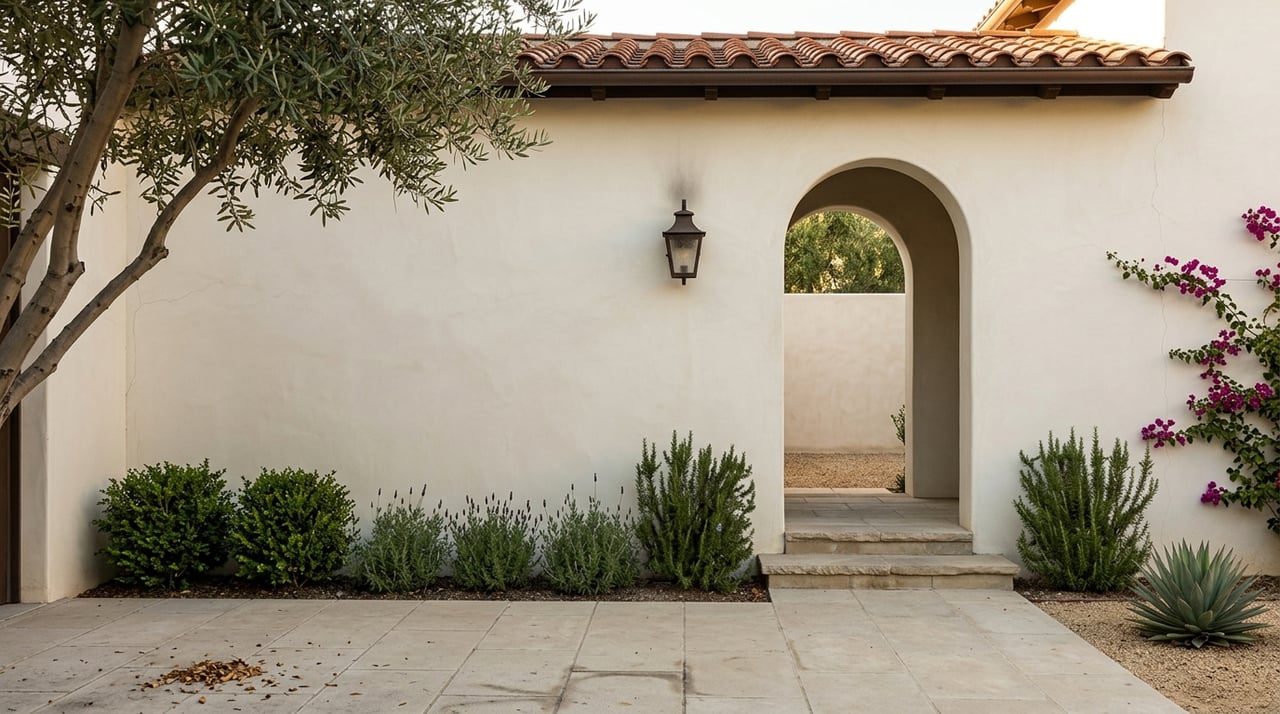
If you are selling an estate in Montecito, you are not just listing a home. You are making decisions about privacy, timing, presentation, and how to reach the right buyers without losing control of the process. In a market where price points are high and off-market activity is meaningful, the kind of representation you choose can shape your outcome from day one. Let’s look at why boutique representation matters for Montecito estate sellers.
Montecito operates differently from many other high-end communities in California. It is an unincorporated community on the South Coast of Santa Barbara County, and that matters because estate transactions are often influenced by county planning, flood, and architectural review processes.
That local structure creates a more layered selling environment. For you as a seller, it means your representation should understand more than pricing and promotion. It should also account for the county-level details that can affect buyer questions, disclosures, and overall deal flow.
At year-end 2025, Montecito house and PUD sales posted a median price of $6,192,500, with 164 closed house sales, 50 active listings, and 6 pending listings in the MLS. The broader Santa Barbara South Coast market ended 2025 with 2.9 months of inventory, which remained a seller-leaning environment.
Montecito also recorded exceptional top-end activity, including a $60 million closing at 700 Picacho Lane and 12 sales above $20 million. Those numbers reinforce a simple point: estate sales here often involve more complexity, more discretion, and more negotiation than a standard resale listing.
The market story in Montecito is not limited to what appears in the MLS. Santa Barbara market reporting also noted a surge in off-market sales that never entered the MLS because of buyer or seller preference.
That matters because your sale strategy may involve more than broad public exposure. In Montecito, representation is often about finding the right balance between visibility and privacy, while still protecting your leverage and your net outcome.
When your property is unique, your marketing strategy should be as well. A boutique, founder-led approach can give you more direct oversight, clearer communication, and a plan tailored to your goals rather than a one-size-fits-all listing process.
For estate sellers, that control often matters as much as reach. You may want to maximize exposure, test demand quietly, or start with a more limited rollout before going fully public.
Santa Barbara MLS rules now clearly define different listing paths. An office exclusive listing is one the seller directs not to be publicly marketed or disseminated through the MLS. A delayed marketing listing is filed with the MLS but held back from immediate public marketing through IDX and syndication for a period allowed by the local MLS.
Those are not informal workarounds. They are formal options that can help you align your sale with your privacy preferences, public profile, and timing needs.
Under current SBMLS rules, public marketing includes signs, public-facing websites, social media, brokerage or franchise sites, email, multi-brokerage listing networks, flyers, and open houses. Once public marketing begins, the listing must be entered into the MLS within one business day.
This is where thoughtful guidance matters. If you want discretion, your agent should understand exactly how to structure that strategy within current local rules.
Current policy also distinguishes between private one-to-one broker communications and broader multi-brokerage communications. That creates room for a measured, compliant way to quietly test demand before a full public launch.
For you, that can mean more intentional price discovery. Instead of rushing into the widest possible exposure, you can evaluate interest, gather feedback, and decide whether a more private or more public path best supports your goals.
In a high-value estate sale, not every inquiry deserves the same level of access. Serious buyer qualification is a key part of protecting your time, your privacy, and your negotiating position.
California Department of Real Estate guidance notes that buyers should determine affordability before shopping, understand contingencies, and inspect the property carefully before making an offer. From a seller’s perspective, that makes buyer vetting essential.
A strong listing representative should help distinguish financially capable buyers from casual interest. In an estate transaction, that often means reviewing proof of funds, pre-approval status, financing contingencies, proposed escrow timing, and whether a buyer can meet specific seller needs such as a rent-back or longer close.
This kind of screening is not about gatekeeping for its own sake. It is about reducing disruption and improving the odds that the buyer who steps forward is also the buyer who can perform.
At the estate level, the strongest offer is not always the highest number on page one. Contract structure, contingency scope, close timeline, and overall certainty can all affect your net result.
Boutique representation can be especially valuable here because the process is often more hands-on. When you have one accountable advisor leading strategy, negotiation can stay tightly aligned with your priorities instead of drifting toward speed or volume.
Presentation always matters in luxury real estate, but in Montecito it carries extra weight. Buyers are often evaluating not only the home itself, but also its design context, setting, views, grounds, and how the property fits into the local landscape.
Santa Barbara County maintains a Montecito Community Plan and a Montecito Board of Architectural Review. The county also tracks Montecito-specific flood mitigation because the community has experienced flooding and debris-flow damage.
In this setting, marketing should do more than make a property look attractive. It should present the estate clearly and thoughtfully, with strong photography, careful emphasis on landscape and views, and a property story that reflects the home accurately.
That kind of preparation can help set expectations before a buyer tours the home. It can also reduce friction later by making the property’s features, character, and context easier to understand from the start.
With a boutique model, the person advising you is often also the person shaping the strategy, guiding presentation, and helping manage buyer conversations. That continuity can be especially valuable when your estate requires nuance, discretion, and a polished market debut.
For sellers who want a hands-on experience, that level of direct accountability is often one of the biggest advantages of boutique representation.
Luxury sellers sometimes focus first on pricing and marketing, but disclosure planning is just as important. In California, depending on the property, sellers may need to provide a Transfer Disclosure Statement, agency disclosure, natural hazard disclosures when the home lies in mapped hazard areas, and federal lead-based paint disclosures for housing built before 1978.
These are not minor administrative details. They are a core part of preparing an estate sale responsibly and reducing avoidable issues during escrow.
This matters even more in Montecito because local conditions can directly affect disclosure review and buyer diligence. Santa Barbara County flood-control information notes that FEMA is revising Special Flood Hazard Area maps for parts of Montecito.
The California Geological Survey also requires disclosure when a property lies in a mapped seismic hazard zone. For sellers, that means preparation should start early so you can organize information, anticipate questions, and keep the transaction moving smoothly.
When marketing, buyer qualification, negotiation, and disclosure management work together, the sale process tends to feel more orderly for everyone involved. Buyers gain confidence when information is handled clearly, and sellers benefit from fewer surprises.
That coordination is one reason boutique representation can be so effective in Montecito. You are not just hiring someone to advertise a property. You are choosing an advisor to align every part of the sale around your actual objectives.
Montecito estate owners often need more than broad exposure. You may need discretion, tailored timing, careful buyer screening, and a polished presentation that reflects the true value of a one-of-a-kind property.
In a market with a median house price above $6 million, limited inventory, and a meaningful off-market segment, a boutique approach can offer something especially valuable: control with strategy. You can decide how public or private your sale should be, how your home is introduced, and how negotiations are handled at each stage.
That is the real advantage of boutique representation in Montecito. It is not about doing less. It is about doing the right things, in the right order, with close attention to your priorities.
If you are considering the sale of a Montecito estate and want a discreet, founder-led strategy built around your goals, connect with Jan Finley for a confidential consultation.
Stay up to date on the latest real estate trends.

Get assistance in determining current property value, crafting a competitive offer, writing and negotiating a contract, and much more. Contact me today.
Get in touch to learn more.
ADDRESS
Compass
801 Chapala St
Santa Barbara, CA 93101
MAILING ADDRESS
PO Box 311, Santa Ynez, CA 94360