Live Work Possibilities In Los Alamos Wine Country Homes
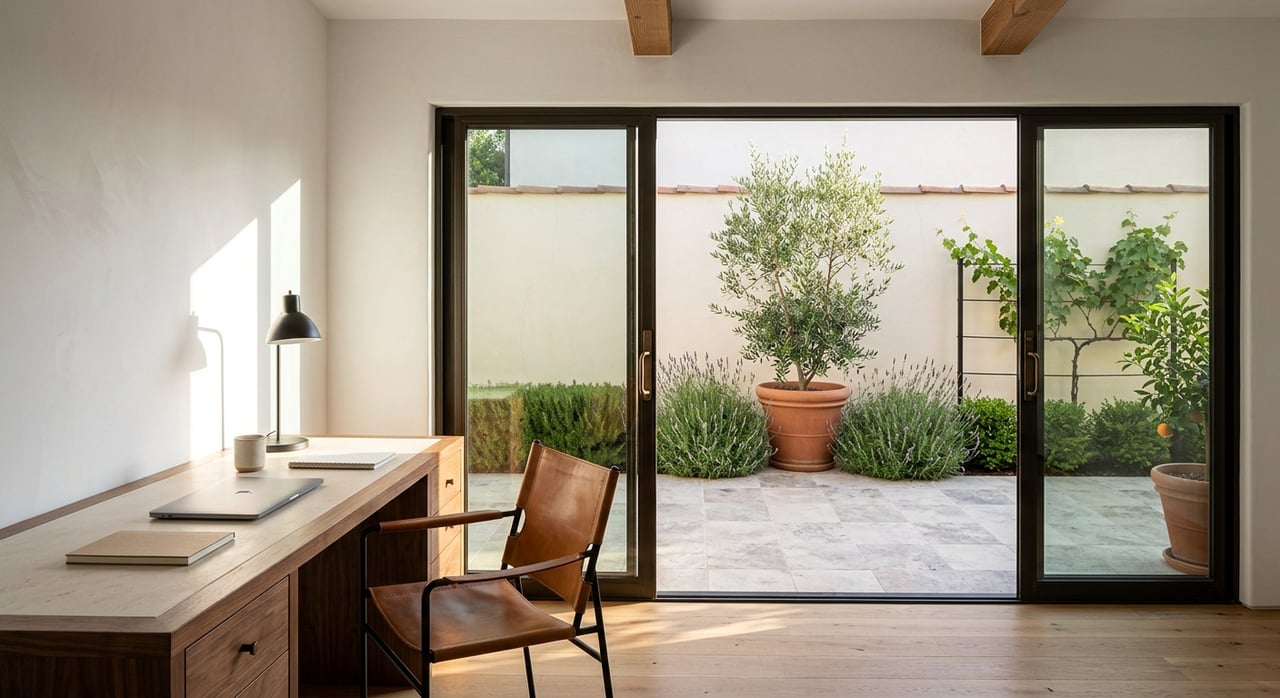
Wondering whether a Los Alamos wine country home can also support the way you work? In a small, rural community like Los Alamos, many buyers want more than a simple residence. You may be looking for a home that can double as a remote office, creative studio, retreat, or even a more formal mixed-use opportunity. The key is knowing what is actually possible on a given parcel, and where county rules draw the line. Let’s dive in.
Los Alamos is a small unincorporated community in northern Santa Barbara County, with a 2020 Census population of 1,839. That smaller scale is part of the appeal if you want a property that feels more personal, flexible, and connected to wine country living.
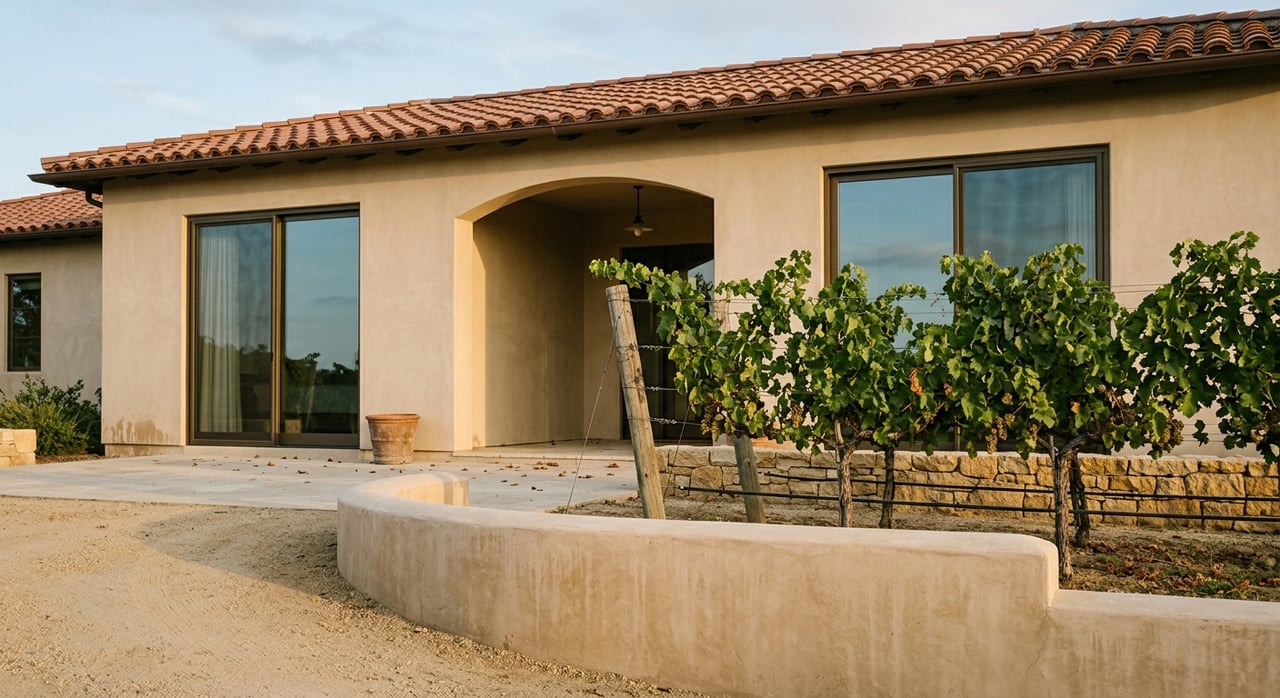
The setting also matters. County planning references describe Los Alamos as a rural valley area shaped by ranch land, vineyards, mountain views, and access from Highway 101 and State Route 135. For buyers seeking a quieter base for remote work or a second home with functional space, that combination can be very attractive.
Because Los Alamos is unincorporated, Santa Barbara County planning and zoning rules drive most use questions. The Los Alamos Community Plan also carries real regulatory weight because the County treats community and specific plans as amendments to the Land Use Element. In practical terms, that means live-work possibilities are shaped by county rules, not just by how a property is marketed.
In Los Alamos, “live-work” does not always mean the same thing. One property may support a quiet home office, while another may have a detached studio, and a smaller set of parcels may allow a more formal residential-plus-commercial setup.
That difference matters if you are buying or selling. A home can feel ideal for work from a layout standpoint, but the approved use of the property is a separate question. Understanding the main formats can help you focus your search and ask better questions early.
For many buyers, the most realistic setup is a home office within the residence. Santa Barbara County allows home occupations in any dwelling in any zoning district, including nonconforming dwellings, as long as the use remains low impact and does not change the residential character of the property.
The County’s standards are fairly narrow. Generally, only one home occupation is allowed per lot, it must stay within one room of the dwelling or an artist studio, and it cannot be discernible from the exterior. It also must be operated by the occupants of the dwelling rather than by on-site employees, and client or customer activity on the property is tightly limited.
For remote professionals, consultants, writers, and similar users, this can be a strong fit. If your work is quiet, mostly online, and does not depend on frequent visitors, a standard Los Alamos home may offer the flexibility you need.
Some buyers are drawn to homes with a detached studio or accessory creative space. Santa Barbara County treats artist studios as a distinct accessory structure and use, and a home occupation permit is required for artist studios.
Commercial sales or transactions are generally restricted unless specifically allowed through the permit process. That makes this format best suited to quiet production, private appointments, or creative work that does not rely on steady public traffic.
If you are touring a property with a studio, it is smart to separate the physical appeal from the legal use. A well-finished building may be a major lifestyle asset, but you will still want to confirm how it is permitted and what activities are allowed.
If you want a truer work-plus-home setup, Bell Street is the area to watch. Santa Barbara County’s CM-LA zone applies only within the Los Alamos Community Plan along the Bell Street Corridor, and County code identifies this as the key part of town where mixed-use policy is concentrated.
This is important because Bell Street parcels are the most plausible place to look for a residential and commercial combination beyond a standard in-home office. In other words, if your vision includes living above or alongside an active business use, corridor zoning becomes much more relevant.
There are also more rules attached. In this area, residential floor area may not exceed 66 percent of total gross floor area, and a Conditional Use Permit is required when the residential share is greater than 25 percent and up to 66 percent.
On top of that, new buildings, major rebuilds, second- and third-floor additions, and façade changes visible from the street are subject to design review. Those changes must be consistent with the Los Alamos Bell Street Design Guidelines.
Santa Barbara County code also recognizes live/work units as a formal use category in the MU zone, where residential and nonresidential parts are treated as separate components. For Los Alamos buyers, this is less about assuming that exact model exists on every parcel and more about understanding the larger pattern.
The more formal the live-work concept becomes, the more parcel-specific the zoning and permit review usually are. That is why two properties with similar layouts can offer very different legal use options.
If live-work flexibility is high on your list, due diligence needs to start early. In Los Alamos, the physical features of a property are only one part of the picture.
You will want to verify:
County rules typically require zoning clearance or a land-use permit for home occupations, and artist studios require a home occupation permit. If a home occupation depends on a septic system, written clearance from the County Public Health Department is required before approval.
If you plan to operate under a fictitious business name, the Santa Barbara County Clerk-Recorder says a Fictitious Business Name Statement must be filed within 40 days of first transacting business. The Clerk-Recorder also notes that it does not issue business licenses.
If you are preparing to sell a Los Alamos property with office, studio, or mixed-use appeal, precision matters. Buyers respond to flexible layouts and wine country lifestyle, but marketing should clearly distinguish between a space that works well for certain uses and one that has confirmed approvals in place.
A finished office, detached studio, or Bell Street parcel can absolutely strengthen a property’s story. Still, the permitted use should be confirmed parcel by parcel rather than assumed.
That is especially true in a market where second-home buyers and lifestyle buyers often value optionality. Clear documentation and careful positioning can help your property stand out while building trust with serious buyers.
Los Alamos offers something many buyers want right now: a small-town wine country setting with county-defined room for remote work or limited business use. It is appealing for buyers who want a residence that supports both lifestyle and productivity.
At the same time, Los Alamos is not a place where every home can automatically function like a storefront. The opportunity is real, but it depends on the parcel, the zoning, and the intended use.
That is why local guidance matters. If you are buying a second home, searching for a property with a studio or office, or evaluating a Bell Street opportunity, careful review can help you move forward with confidence.
In a nuanced market like Los Alamos, the right property is often the one that aligns both with your vision and with the county framework behind it. If you are considering a purchase or preparing to sell, Jan Finley can help you evaluate the details, position the opportunity thoughtfully, and navigate Los Alamos with a local, founder-led approach.
Stay up to date on the latest real estate trends.
Get assistance in determining current property value, crafting a competitive offer, writing and negotiating a contract, and much more. Contact me today.
Get in touch to learn more.
ADDRESS
Compass
801 Chapala St
Santa Barbara, CA 93101
MAILING ADDRESS
PO Box 311, Santa Ynez, CA 94360