Montecito Beachside or Hillside Living: Which Fits You?
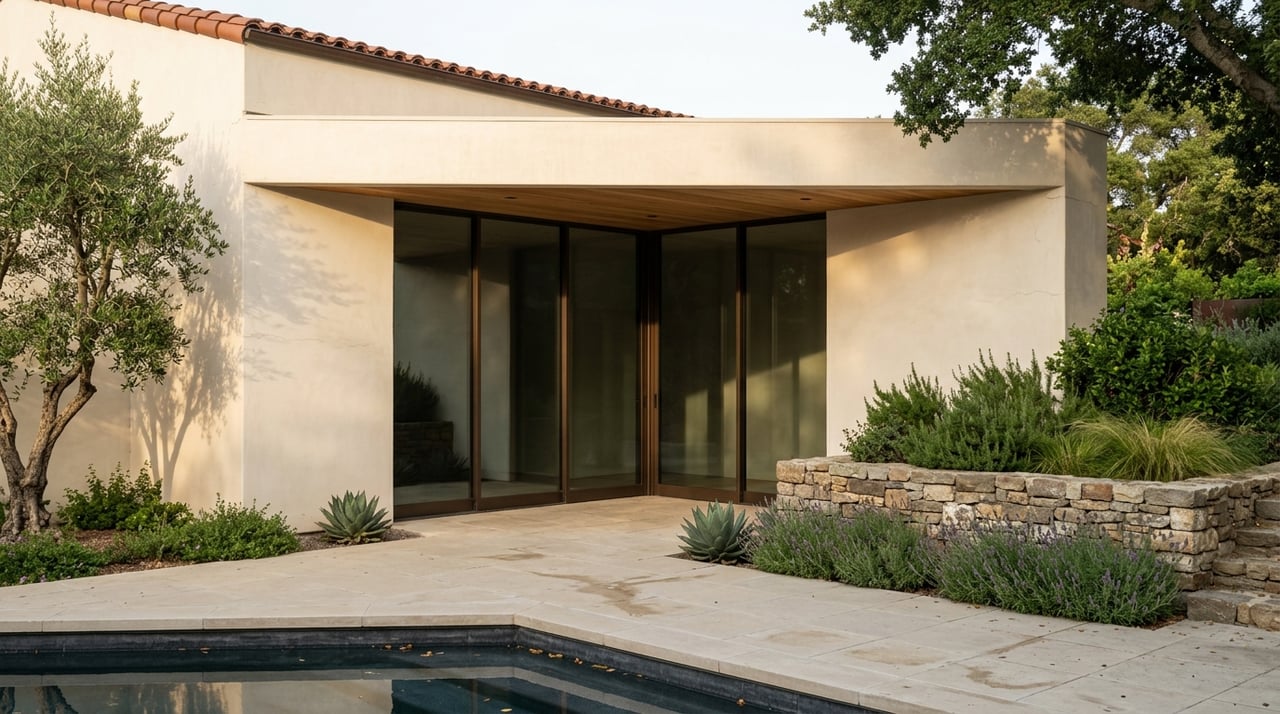
Wondering whether Montecito feels better by the beach or up in the hills? If you are considering a move here, that question matters more than almost anything else because Montecito is not one uniform place. The daily rhythm can shift in a meaningful way from the coastal edge to the estate areas above the village. This guide will help you understand how beachside, hillside, and village-adjacent living differ so you can picture which setting fits your lifestyle best. Let’s dive in.
Montecito is an unincorporated South Coast community in Santa Barbara County, set between the Pacific Ocean and the Santa Ynez Mountains. According to the county’s community plan, it is primarily residential, heavily landscaped, and known for large lots, historic estates, smaller older lots, and a compact commercial core.
That matters because your experience of Montecito changes depending on where you live within it. In practical terms, some areas are shaped by quick beach access, some by easy village errands, and others by privacy, views, and winding roads.
Beachside Montecito centers around the coastal edge near places like Butterfly Beach and Miramar Beach. This part of Montecito tends to feel more connected to the shoreline and more active day to day, while still remaining low-rise and residential in character.
The county plan supports this contrast through land-use patterns. Coastal sub-areas include cottages, duplexes, and smaller lots in some sections, especially south of Highway 101 and along parts of the beachfront.
Butterfly Beach sits near Channel Drive and the Coral Casino Beach & Cabana Club. It is a west-facing beach with street parking and a landscaped path that connects toward the Andrée Clark Bird Refuge.
If you picture yourself stepping out for a walk near the water, this area often matches that routine well. The appeal here is immediate coastal access and a setting that keeps the ocean close to everyday life.
Miramar Beach on Eucalyptus Lane is narrower and has a small parking lot that is often busy. It sits beside beachfront homes and the Rosewood Miramar Beach hotel, and nearby Hammond’s Beach can be reached from the Miramar lot by Hammond’s Meadow Trail.
For many buyers, this part of Montecito feels especially tied to the beach lifestyle. You are closer to visible coastal activity, shorter beach walks, and a more active setting than you would typically find farther uphill.
Beachside living often works best if you want to reach the sand quickly and enjoy a more walkable coastal routine. Popular areas can have tighter parking and a more active feel, especially near well-known beach access points.
Even so, the atmosphere still reads as distinctly Montecito rather than urban. The surrounding homes, landscaping, and overall residential scale help preserve that quieter coastal character.
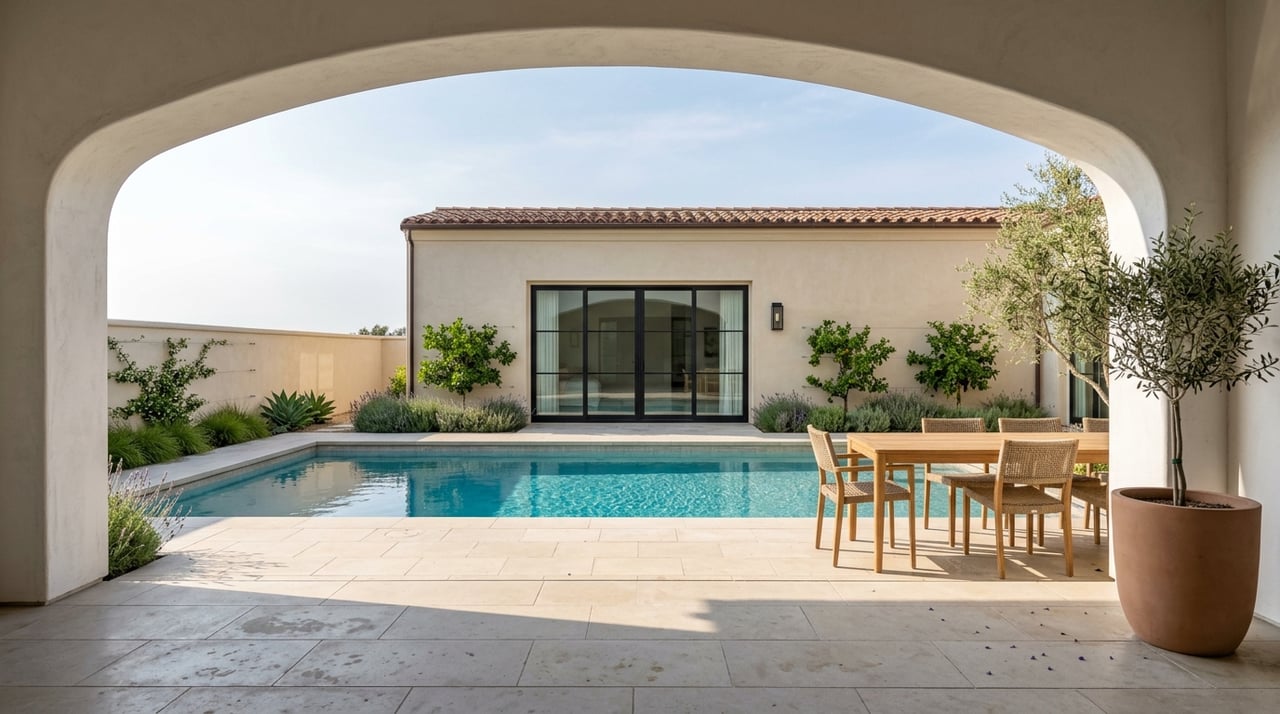
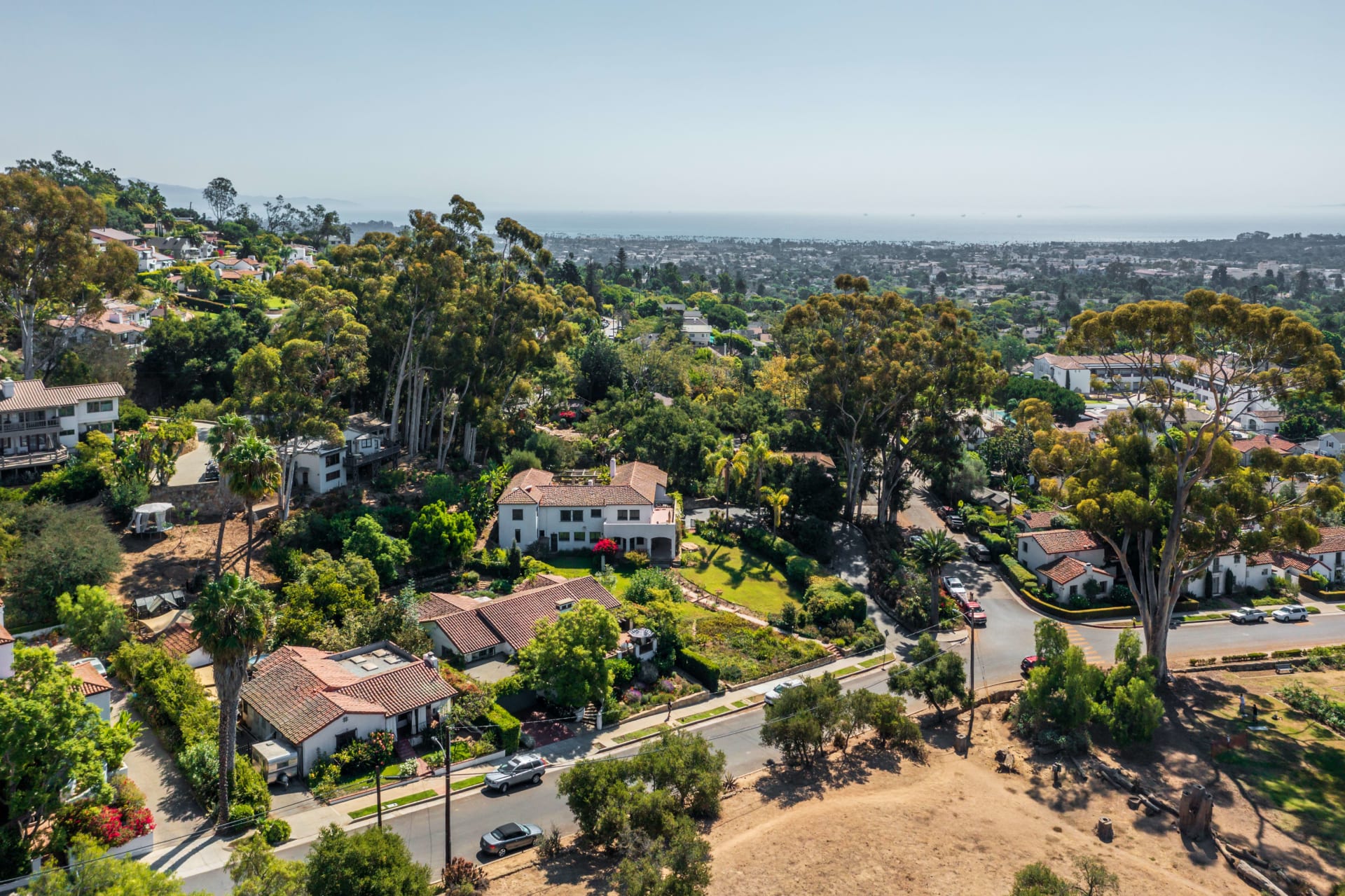
The hillside and mountain portions of Montecito feel very different from the beachside enclaves. Here, the pace is generally quieter, the lots are often larger, and the setting leans more toward privacy and view orientation.
In the Central Urban sub-area, Santa Barbara County describes a semi-rural environment with single-family homes on one-acre lots, large estates, and narrow winding roads without sidewalks or traffic lights. That description helps explain why many buyers associate hillside Montecito with separation and a more tucked-away feel.
If you move above the village areas, you often trade immediate walkability for more space and privacy. Homes are typically part of a landscape-first setting, where the terrain, mature plantings, and broader parcels shape the experience.
The county plan also prioritizes residential privacy, architectural and landscape quality, and both public and private views of the mountains and ocean. Those goals are intended to preserve Montecito’s semi-rural environment and natural setting.
The mountain sub-area is steeper and more rugged. The county describes it as chaparral-covered, with slopes in excess of 40 percent, very limited public road access, and extremely limited public services.
For buyers, that means hillside and mountain living can be beautiful and quiet, but it also comes with a more car-dependent routine. Access, topography, and distance from village services tend to play a bigger role in your day-to-day planning.
Hillside Montecito usually suits people who value privacy, views, and a quieter home environment. The tradeoff is that daily errands and beach outings generally take more planning than they do near the coast or village nodes.
If your ideal home feels more like a retreat, this setting may be the better fit. The geography itself creates a stronger sense of separation from busier parts of the community.
Not every Montecito lifestyle centers on the beach or the hills. For many people, the most practical fit is living near the village areas where shopping, dining, and day-to-day services are concentrated.
Visit Montecito identifies three key commercial nodes tied to local life: the Upper Village, Coast Village Road, and the Montecito Country Mart. Each plays a role in how residents move through everyday errands and social routines.
The Upper Village, also called Montecito Village, includes local restaurants, businesses, shops, the post office, and the library. The Montecito Village center also describes itself as a hub for shops, restaurants, professional services, and everyday essentials.
If convenience matters, this area can make daily life feel more streamlined. You may not be directly on the sand or high above the village, but you gain easier access to practical stops throughout the week.
Coast Village Road serves as a major commercial strip for Montecito residents, even though it technically sits in the City of Santa Barbara rather than the Montecito Planning Area. Local guides describe it as a main street for clothing stores, home-furnishing boutiques, jewelry stores, beauty services, and restaurants.
The Montecito Country Mart adds another practical option, with more than 20 shops, more than 20 restaurants, and Pavilions grocery. For buyers who want easy errands and a central location, village-adjacent living can offer a strong middle ground.
If you are deciding between Montecito’s enclaves, it helps to think in terms of daily rhythm rather than just property style. The best fit often comes down to how you want your mornings, errands, and evenings to feel.
| Setting | Typical Feel | Common Home Patterns | Daily Lifestyle |
|---|---|---|---|
| Beachside enclaves | Coastal, active, walkable | Cottages, duplexes, smaller lots in some areas | Quick beach access and shorter walks to the shoreline |
| Hillside and estate areas | Private, quiet, view-oriented | Single-family homes, large estates, one-acre or larger parcels | More car-dependent, more separation, stronger retreat feel |
| Village-adjacent areas | Convenient, central, practical | Varies by location | Easier access to shops, dining, groceries, and services |
A simple way to narrow your search is to start with your routine. If you want the shortest path to the sand and a visible connection to the coast, beachside Montecito may be the strongest match.
If you prefer a quieter environment with more privacy and larger parcels, the hillside and estate areas often align better. If convenience is the priority, living near the village nodes may give you the most balanced day-to-day experience.
Montecito’s appeal is that these lifestyles all exist within a relatively small area. The key is not asking whether Montecito is desirable, but which part of Montecito feels most like home for you.
If you are weighing coastal access, village convenience, or estate-style privacy in Montecito, a tailored local perspective can make the search much clearer. For founder-led guidance and discreet representation across Montecito and the South Coast, connect with Jan Finley.
Stay up to date on the latest real estate trends.
Get assistance in determining current property value, crafting a competitive offer, writing and negotiating a contract, and much more. Contact me today.
Get in touch to learn more.
ADDRESS
Compass
801 Chapala St
Santa Barbara, CA 93101
MAILING ADDRESS
PO Box 311, Santa Ynez, CA 94360