Buellton Investment Property Guide for Wine Country Buyers
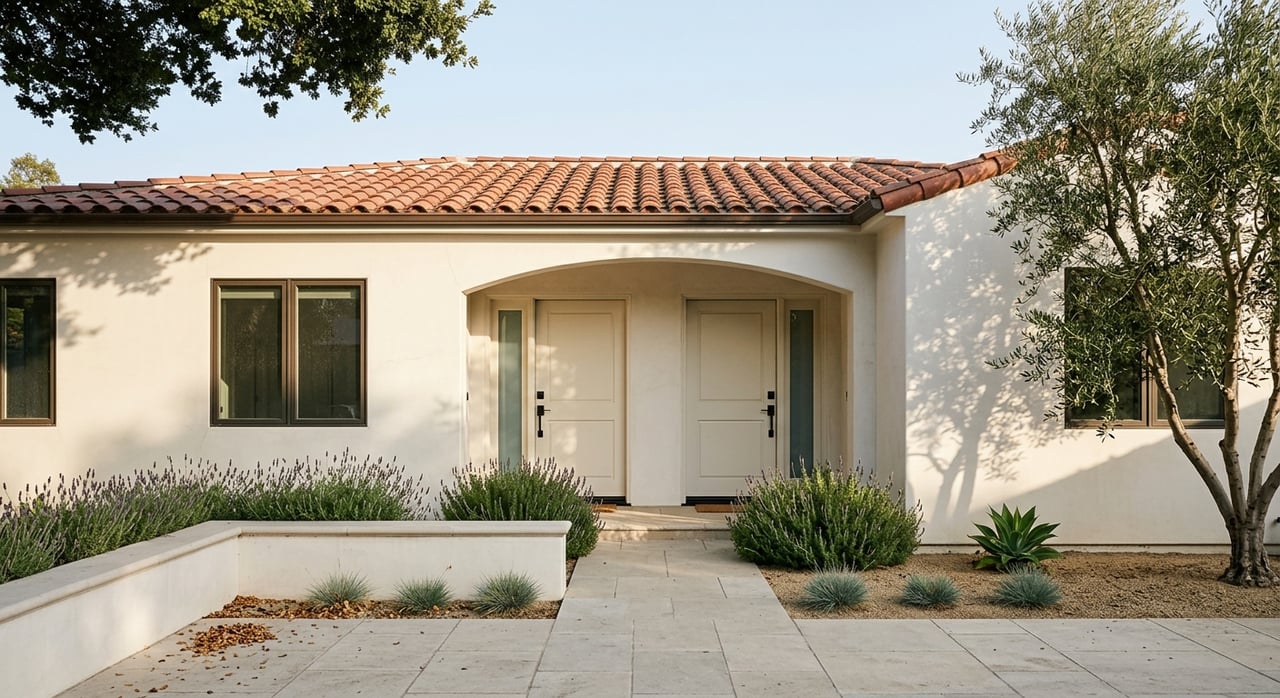
If you want Santa Ynez Valley exposure without jumping straight to the valley’s highest price points, Buellton deserves a closer look. This small city sits at the crossroads of wine-country travel, which gives it a different investment profile than many nearby communities. Whether you are weighing a second home, a long-term rental, or a small income property, understanding how tourism, housing supply, and local rules intersect can help you make a smarter decision. Let’s dive in.
Buellton plays an important role in the Santa Ynez Valley. The city sits along Highway 101 and near Solvang, Santa Ynez, Ballard, and Los Olivos, placing it in a strategic position within the broader valley network. The City of Buellton overview and Visit Santa Ynez Valley both reinforce Buellton’s place within the region’s wine-country identity.
That location matters because Buellton functions as more than a residential stop. The city’s planning documents emphasize tourism, visitor-serving businesses, and continued revitalization along the Avenue of Flags and Highway 246 corridor. In practical terms, that gives Buellton a demand story tied not only to local housing needs, but also to regional travel patterns and wine-country visitation.
The Santa Ynez Valley is presented as a year-round destination, with wineries, tasting rooms, events, and outdoor attractions drawing visitors across the region. Because Buellton sits at the Highway 101 and Highway 246 crossroads, it benefits from travelers moving through the valley for wine tasting, dining, parks, trails, and golf. This creates ongoing interest from buyers who want a base in the valley and from investors looking at income-producing potential.
The city’s long-range planning strengthens that case. Buellton’s general plan calls for support of festivals, hospitality uses, and stronger links to regional attractions. That kind of policy direction does not guarantee returns, but it does show the city sees visitor demand as a core part of its economic future.
Buellton is not a bargain market by national standards, but it can look more attainable when compared with nearby wine-country locations. In February 2026, the median home sale price in Buellton was $920,000, up 10.1% year over year, with homes spending a median 61 days on market, according to Redfin’s Buellton housing market data.
Rental data points in a similar direction. Zillow’s Buellton rental market page showed average rent at $3,872 per month, with only 13 rentals available at the time of update. Nearby rents were listed higher in Solvang and Santa Ynez, which supports the idea that Buellton can serve as a more accessible entry point for buyers who want to be in the valley.
One reason Buellton continues to draw attention is simple: supply is limited. The city reported 2,086 total housing units in January 2025, and only 56 new units were added between 2020 and 2025, according to the city’s 2024 Annual Comprehensive Financial Report. In a small market, even modest inventory constraints can influence pricing and competition.
That same report notes a median household income of $96,028, a median home value of $1.1 million in June 2024, and an owner-occupied share of about 61%. For you as a buyer or investor, the takeaway is that Buellton has a relatively small housing base, slow recent growth, and pricing that reflects both local demand and regional appeal.
Not every Buellton property type offers the same opportunity. If you are looking for income-producing potential, zoning and location matter as much as price.
The city’s zoning code shows that RS is intended for single-family residential use, while RM allows duplexes, triplexes, fourplexes, apartments, condominiums, and other multifamily forms. PRD zoning is designed for clustered and flexible residential projects, while MHP applies to mobilehome parks. You can review those distinctions in the Buellton zoning code.
In general, the strongest fit for investors appears to be:
The city’s general plan is especially clear about the corridor vision. It identifies the Avenue of Flags revitalization area as a future downtown setting with visitor-focused retail, civic uses, and residential integrated above or behind commercial space. For buyers looking beyond a single-home strategy, that policy direction is worth watching.
Buellton does not have a deep pool of public, city-specific cap-rate surveys, so investors need to underwrite carefully. Based on the reported average rent and median sale price, a rough gross yield comes out near 5.05% before expenses. Nearby Santa Barbara multifamily benchmark reports suggest cap rates around 4.9% to 5.0%, which supports a practical underwriting starting point in roughly the 4% to 5% cap-rate range for a stabilized small rental in Buellton.
That said, this is a starting framework, not a guaranteed result. Your actual performance will depend on operating costs, insurance, property condition, financing, vacancy, and tenant profile. In a market like Buellton, disciplined property-by-property analysis matters more than broad averages.
This is one of the most important parts of the Buellton investment conversation. If you are assuming short-term rental income, you should verify the current rules directly with the city before you move forward.
The current codified zoning section defines short-term occupancy as 30 consecutive days or less and states that short-term lodging units are prohibited in all residential zoning districts. You can see that language in the city code. On its face, that means Buellton is not a simple residential short-term-rental market.
At the same time, a separate ordinance document in the city archive outlines a permit-based short-term rental framework for single-family homes, including host residency, a 300-foot spacing requirement from other permitted short-term rentals, annual inspections, business-license compliance, and transient occupancy tax compliance. Because those published materials are not perfectly aligned, you should confirm the latest adopted rules with planning staff before you underwrite any vacation-rental strategy.
Buellton voters approved an increase in the city’s transient occupancy tax from 12% to 14%, effective February 1, 2025, according to the city’s 2024 ACFR. For any lodging-based strategy, that affects revenue assumptions and pricing structure.
It also tells you something broader about the city. Visitor activity is important to the local budget, which reinforces Buellton’s identity as a tourism-linked market. That can support long-term demand, but it also means local policy decisions may continue to shape how hospitality-related real estate operates.
Every investment market has tradeoffs, and Buellton is no exception. According to Redfin’s market page, the city has major wildfire exposure and moderate flood risk. Those factors can affect insurance availability, premiums, maintenance planning, and long-term carrying costs.
You should also keep an eye on policy changes. Buellton is in the middle of a comprehensive general-plan update, so zoning, redevelopment, and lodging rules may continue to evolve. If you are buying with a narrow business plan, especially one tied to redevelopment or short-term stays, current verification is essential.
If you are trying to narrow your search, the most compelling long-term story appears to center on the Avenue of Flags and Highway 246 corridor, along with nearby town-center areas. The city’s planning documents point to this area as the focus of future downtown character, visitor-serving activity, and integrated residential growth.
For investors, that could mean stronger potential in:
By contrast, single-family properties in RS neighborhoods may be better suited to owner-occupants, second-home buyers, or conventional long-term rental strategies. That does not make them less appealing. It simply means the investment case may be more about stable valley ownership and less about short-term lodging upside.
For the right buyer, Buellton offers a compelling middle ground. You get access to the Santa Ynez Valley lifestyle and wine-country traffic, but often at a lower entry point than nearby markets like Solvang or Santa Ynez. At the same time, limited housing stock, strong regional identity, and corridor revitalization give the city a clear long-term story.
The key is to match the property to the strategy. If you focus on zoning, verify current regulations, and underwrite conservatively, Buellton can make sense for long-term rentals, select multifamily plays, mixed-use opportunities, and second-home ownership with income potential where permitted.
If you want a discreet, data-driven look at Buellton opportunities, connect with Jan Finley for a confidential consultation tailored to your goals.
Stay up to date on the latest real estate trends.

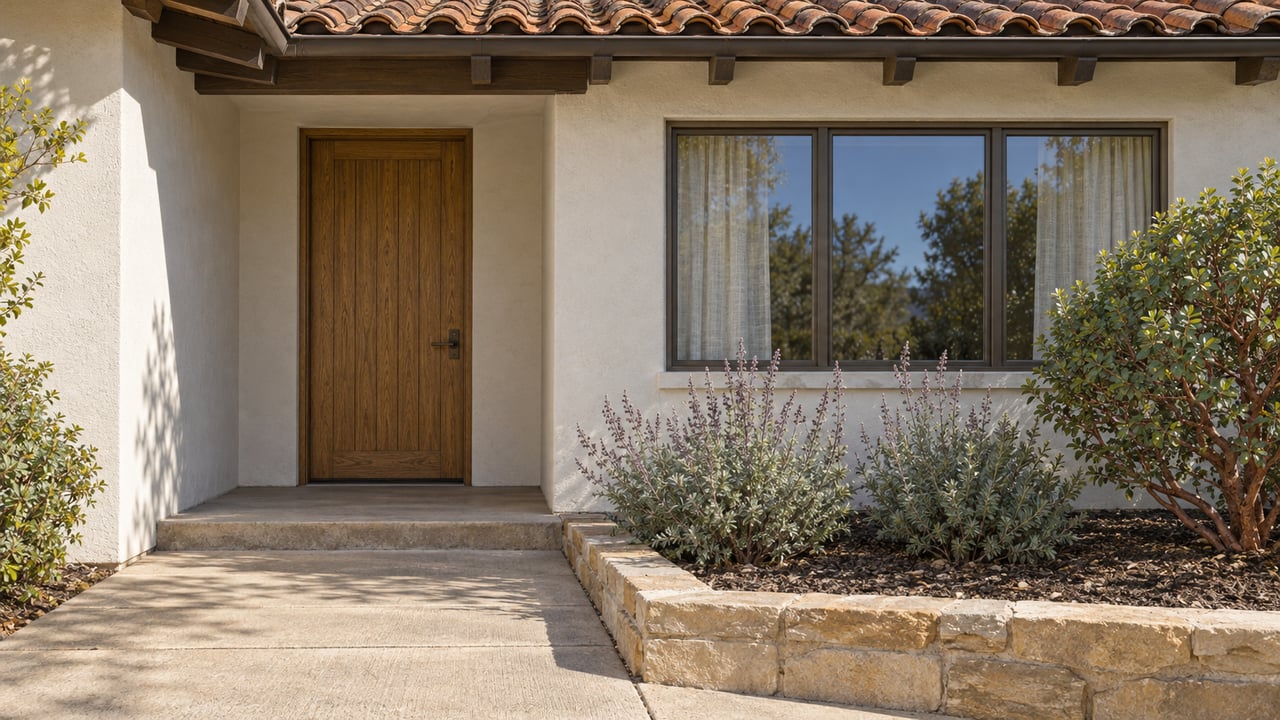
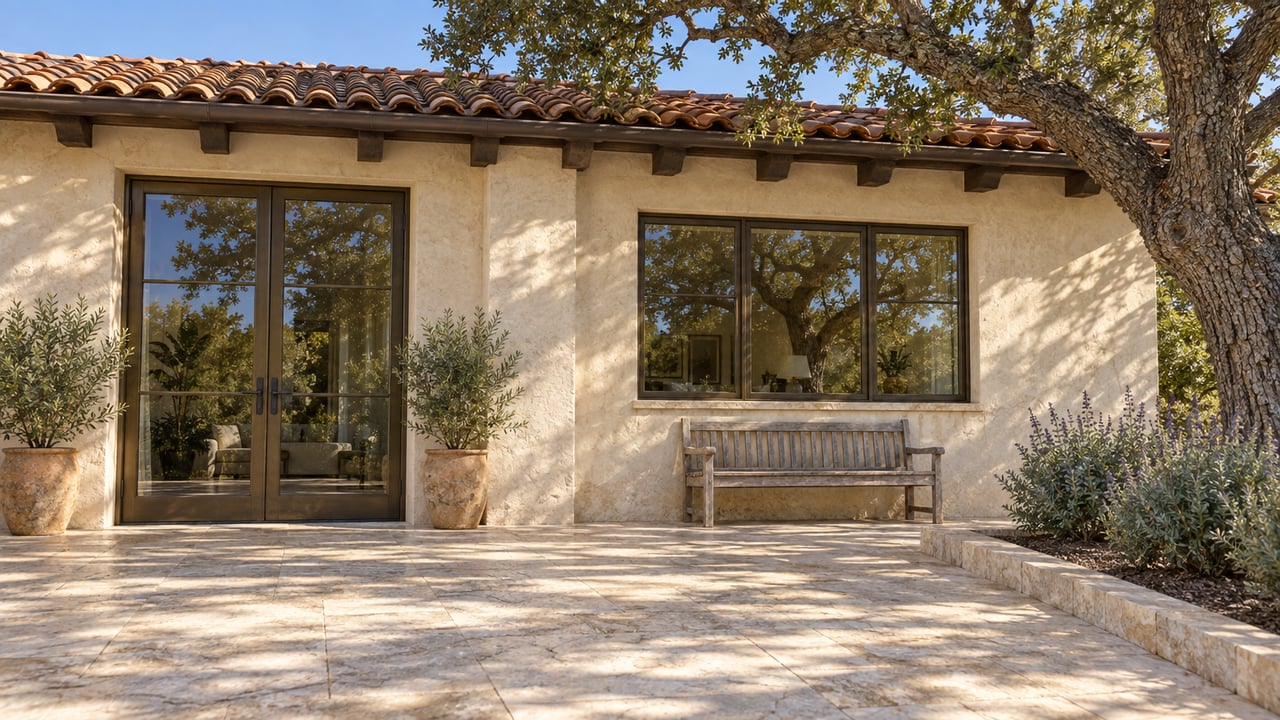



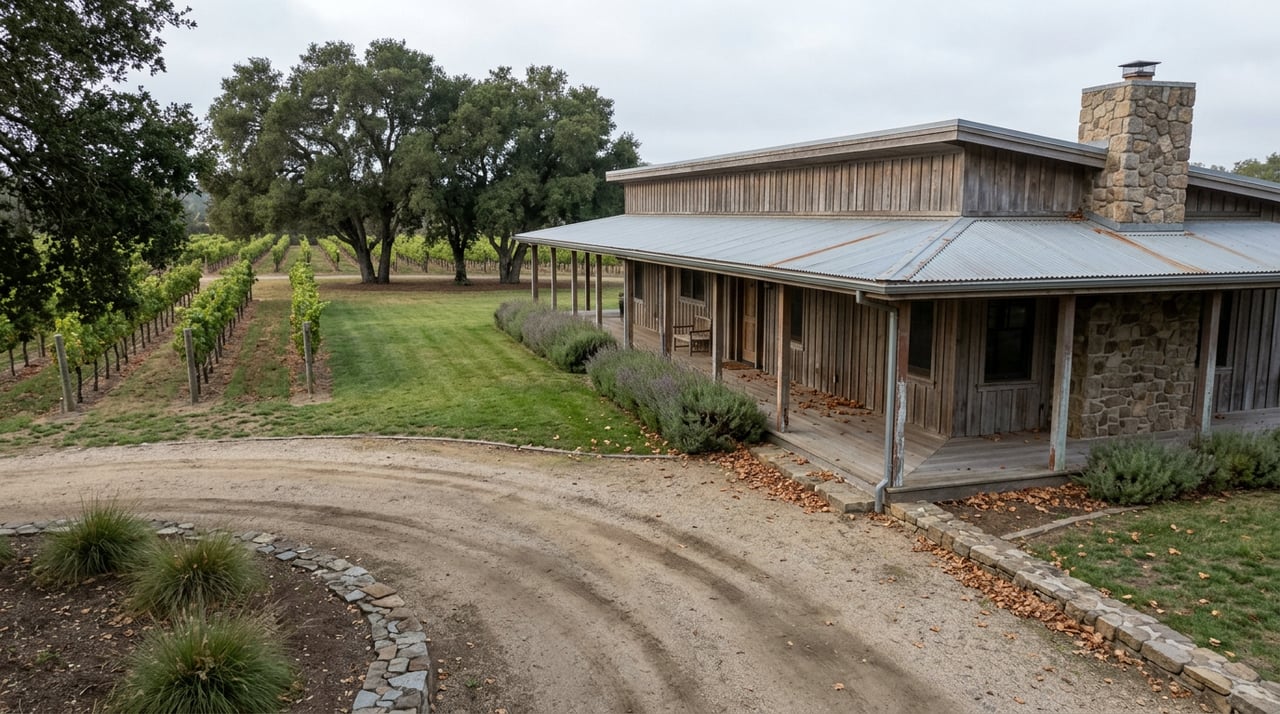

Get assistance in determining current property value, crafting a competitive offer, writing and negotiating a contract, and much more. Contact me today.
Get in touch to learn more.
ADDRESS
Compass
801 Chapala St
Santa Barbara, CA 93101
MAILING ADDRESS
PO Box 311, Santa Ynez, CA 94360