Santa Barbara Neighborhoods Guide to Coastal & In-Town Living
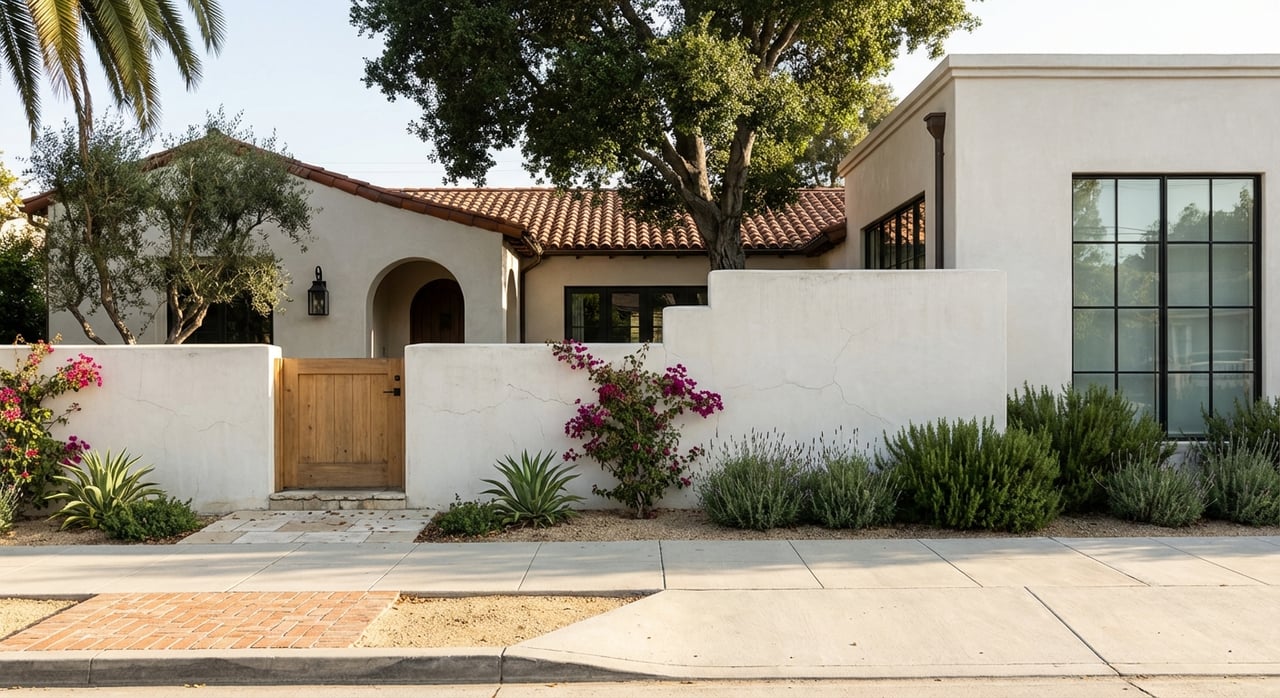
Surf at sunrise, dinner on State Street, or quiet sunsets above the city — in Santa Barbara, your neighborhood choice sets your daily rhythm. If you are weighing beach access, walkability, or panoramic views, a clear, local comparison can save you months of searching. In this guide you’ll see how Santa Barbara’s coastal, hillside, and in‑town neighborhoods differ on lifestyle, housing, walkability, schools, and market signals. Let’s dive in.
Santa Barbara clusters into three buyer‑friendly groups: Coastal, Riviera and foothills, and In‑town. Each offers a distinct pace of life and price profile. Citywide, the median sale price is about $2.06 million (Redfin, Jan 2026). Use the sections below to match your priorities to the right streets, then plan tours to feel the differences in person.
Life on the coast centers on Shoreline Park’s bluff path, Leadbetter and East/West Beach, the Harbor, and the Funk Zone’s tasting rooms and art spaces. Shoreline Park offers sweeping ocean views and a flat walking loop that locals love for morning coffee and sunset strolls. Explore the park’s features on the city’s page for Shoreline Park.
Coastal inventory ranges from beach cottages and mid‑century homes to remodeled ocean‑view properties and select oceanfront estates. Around the Mesa (zip 93109), the neighborhood median is roughly $2.45 million and the zip median trends near $2.47 million (Redfin, Jan 2026). You will also find condos near the harbor and East/West Beach that often trade from the high hundreds into the low millions, depending on size and proximity to the water. Expect a premium for near‑beach single‑family homes and unobstructed views.
West Beach and harbor‑adjacent blocks are generally the most walkable for dining and errands, while the Mesa’s bluff streets are more residential with moderate walkability block to block. For reference, downtown areas post very high Walk Scores; you can view an example on Walk Score’s Santa Barbara page to understand how scores vary by neighborhood.
School assignments on the Mesa and along the waterfront vary by street. Always verify any address using the Santa Barbara Unified attendance lookup and resources found on the district site’s attendance maps. Coastal areas also experience seasonal activity and visitor parking pressure. Short‑term rental rules are an active topic in parts of the coast, with ongoing public discussion that can influence neighborhood character and returns for investor‑owners. For context on recent debate, see this report on a coastal neighborhood’s rental concerns from SFGATE.
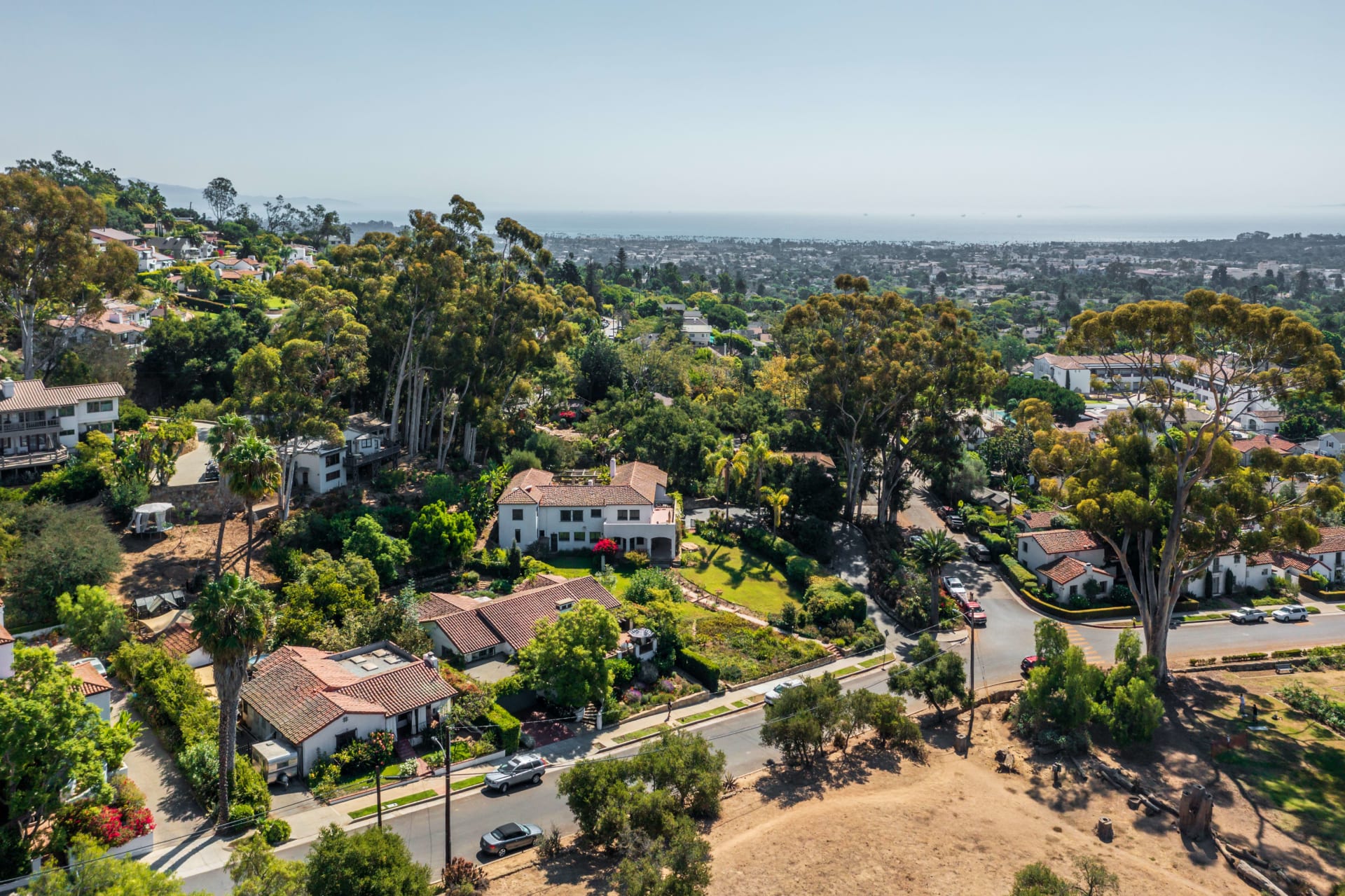
The Riviera and adjacent hillsides rise above downtown, trading storefronts for quiet streets and big outlooks over the city, harbor, and Channel Islands. You are close to trailheads and cultural touchpoints like the Riviera Theatre, with a calmer, more residential feel than the waterfront.
Architecture runs from classic Spanish Revival and mid‑century designs to modern estates. Lots often step down the hillside, which places a premium on privacy and view corridors. Redfin reports Riviera‑area medians well above the city average — often in the multi‑million range — with a commonly cited neighborhood median around $3.51 million (Jan 2026). Larger lots and unobstructed views typically command top pricing.
Steep grades and winding streets make the Riviera car‑dependent for most errands. Walking downtown is practical only from lower slopes and requires a steep return trip. For a walkability baseline, compare scores to the downtown core using Walk Score’s Santa Barbara page.
Many hillside addresses feed into central Santa Barbara schools, but exact assignments are address‑specific. Confirm the current enrollment path with the district’s attendance maps before you write an offer. On hillside properties, plan for access, slope, and utility considerations when evaluating remodel scope and timelines.
Downtown, Lower State, and West Downtown put you steps from restaurants, theaters like the Lobero and Arlington, galleries, and paseos. The city’s Spanish Colonial Revival character — shaped after the 1925 earthquake — guides much of the historic core’s look and feel. For background on how that history still influences design today, read this overview from the Los Angeles Times.
In‑town you will see condos and lofts near State Street, plus Craftsman bungalows, Victorians, and mid‑century homes across the Westside and San Roque. Redfin reports a Downtown median around $1.8 million (Jan 2026), with Westside medians commonly in the mid‑$1 million range that vary by block. Historic districts include design review and preservation guidelines that can shape exterior changes.
This cluster is your best fit if you want to live car‑light. Downtown and Lower State post very high Walk Scores, and the MTD bus network connects the core to nearby neighborhoods. You can browse an example of walkability metrics on Walk Score for Downtown Santa Barbara to compare against other areas.
School pathways in Westside and San Roque vary by address and can feed different high schools. Use the district’s attendance maps to confirm your specific property before you finalize plans.
If you want a tailored short list with on‑the‑ground insight into streets, micro‑views, and likely tradeoffs, connect with Jan Finley for a confidential consultation. Our founder‑led team will map your lifestyle goals to the right Santa Barbara blocks and negotiate with discretion.
Stay up to date on the latest real estate trends.
Get assistance in determining current property value, crafting a competitive offer, writing and negotiating a contract, and much more. Contact me today.
Get in touch to learn more.
ADDRESS
Compass
801 Chapala St
Santa Barbara, CA 93101
MAILING ADDRESS
PO Box 311, Santa Ynez, CA 94360