Solvang vs Los Olivos vs Santa Ynez: Choosing Your Town
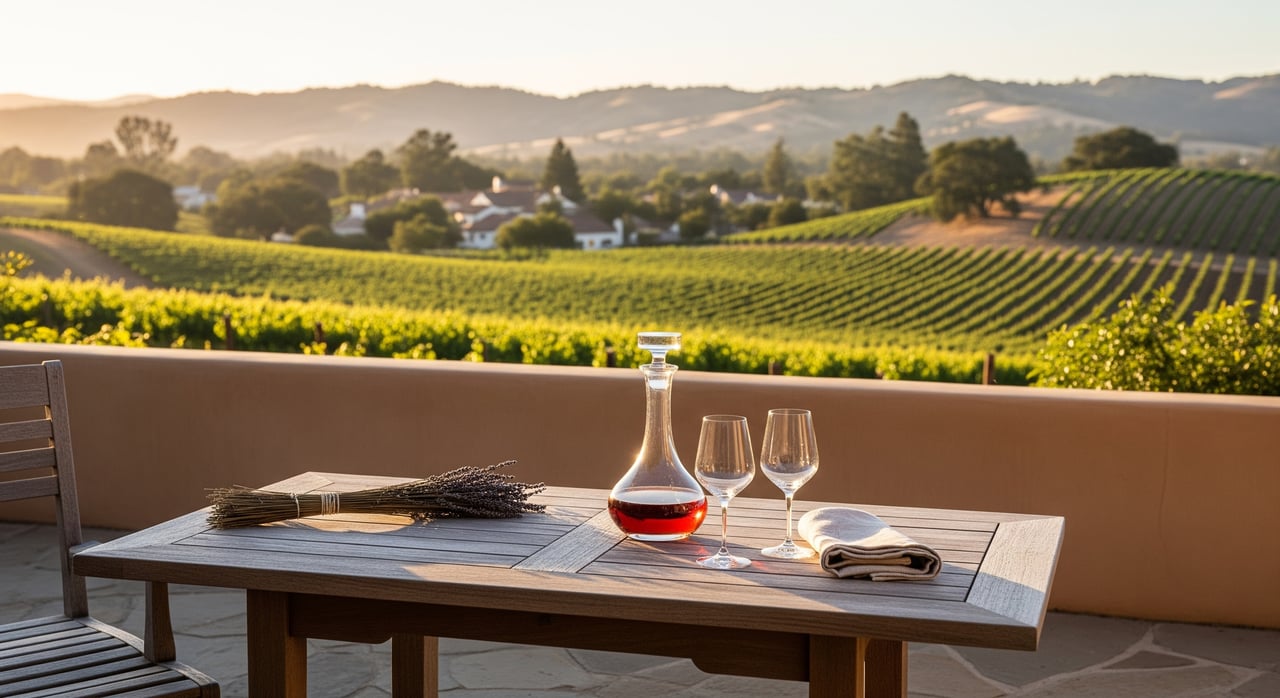
Trying to decide between Solvang, Los Olivos, and Santa Ynez? You are not alone. Each town delivers a distinct lifestyle in the heart of the Santa Ynez Valley, from walkable village energy to quiet vineyard lanes and equestrian space. In this guide, you will see how the towns differ on ambience, dining and shopping, homes and land, access to vineyards and trails, and the practical checks that matter before you buy. Let’s dive in.
All three towns sit within the Santa Ynez Valley in Santa Barbara County. The area enjoys a Mediterranean climate with warm, dry summers and mild, wetter winters. Tourism, hospitality, local retail, and agriculture drive the local economy, especially vineyards and ranching.
You will find that daily life is car oriented, with most residents driving to local services or commuting to coastal job centers. Public transit is limited, so it is best to plan for private vehicle use and to time your drives during peak seasons when visitor traffic increases.
Solvang offers a Danish-themed village core with bakeries, restaurants, museums, and specialty shops. It has the strongest walkability and the most concentrated commercial area of the three towns. Visitor foot traffic can be high, especially during festivals and holiday periods. If you love village energy and easy access to dining and entertainment, Solvang fits well. Expect more parking and traffic at peak times.
Los Olivos is intimate and upscale with a small main strip of tasting rooms, galleries, and a few excellent restaurants. The village is quiet and boutique in feel, surrounded by vineyards and ranchland. Visitor traffic skews toward wine-focused guests rather than general tourists. Choose Los Olivos if you want a refined wine-country atmosphere with fewer everyday services in town.
Santa Ynez feels like a traditional small town that anchors daily life in the valley. You will find groceries, gas, banks, schools, restaurants, and equestrian facilities alongside neighborhood subdivisions and rural parcels. Tourism is present but not the focus. This is a strong fit if you want practical services, a calm residential base, and access to horse facilities.
You will find the widest range of restaurants, bakeries, boutique hotels, gift shops, and museums. The calendar features regular events, including Danish Days and holiday celebrations. The trade-off is that many businesses cater to visitors, so your day-to-day errands may take you to nearby towns for certain household needs.
This is a destination for high-quality tasting rooms and a handful of well-regarded restaurants and galleries. The feel is intimate and curated. Daily shopping options are limited, so you will likely head to Solvang or Santa Ynez for groceries and broader retail.
Santa Ynez focuses on everyday living. You can handle most practical needs in town, from groceries and hardware to banking, plus a mix of restaurants and a few tasting rooms. The dining scene is smaller than Solvang’s, but it serves residents well.
Common property types include village condos, small-lot single-family homes, and semi-rural parcels on the edges. Inside city limits, municipal water and sewer are more common, with septic likely at the rural margins. In the historic core, preservation overlays can guide exterior changes, so plan ahead if you want to renovate. If you want walkable living with more centralized utilities, Solvang is a strong option.
Expect a mix of small village-lot homes and a large share of rural parcels, vineyard sites, ranches, and equestrian properties. Most of the area is unincorporated county land with rural or agricultural zoning. Utilities often include private wells and septic, sometimes with community water systems. Water availability and septic suitability are key due diligence items here.
You will find suburban-style neighborhoods, rural parcels, horse properties, and small farms across varied residential and agricultural zoning. Some areas near the town center have municipal or community water. Many properties use private wells and a mix of sewer and septic depending on location. Santa Ynez suits buyers who want both space and convenient access to daily services.
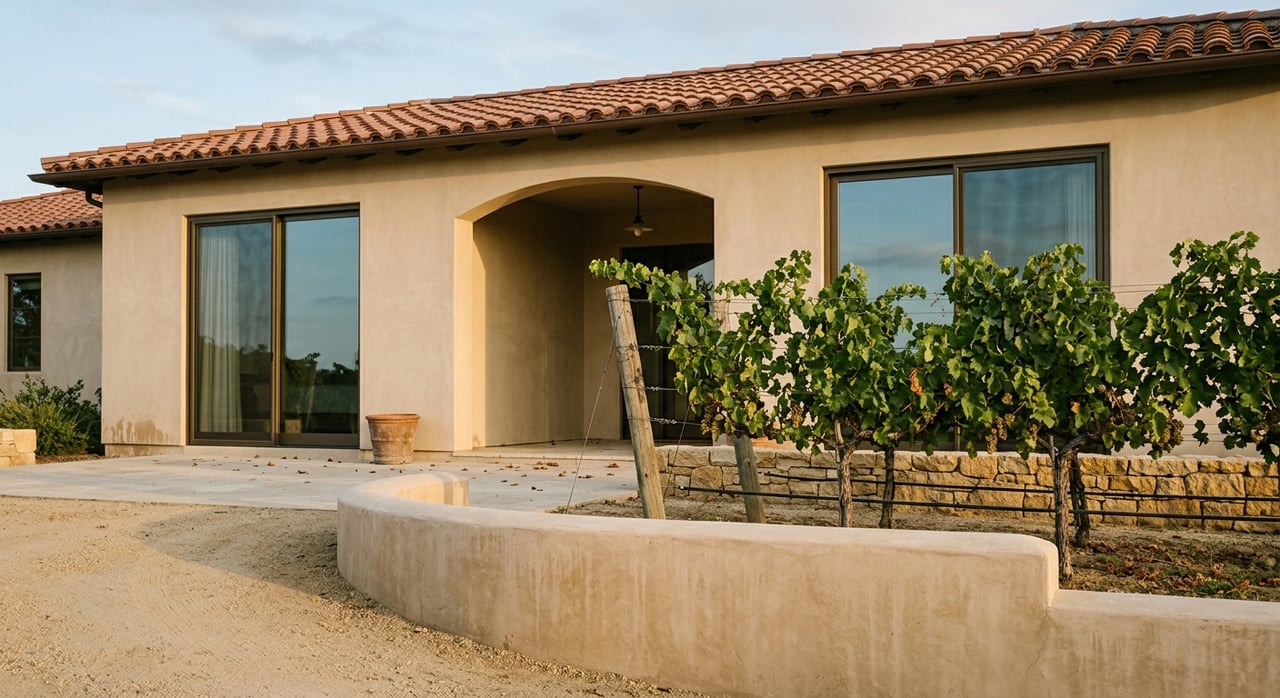
All three towns sit among vineyards, and tasting rooms are close by. Los Olivos has the highest concentration of tasting rooms within a small village footprint. If owning or operating vines is on your wish list, focus on rural parcels around Los Olivos and Santa Ynez where agricultural zoning and vineyard history are common. Solvang’s outskirts also feature vineyards, though the core is commercial and residential.
For buyers seeking vineyard estates or properties that host wine-focused lifestyle amenities, parcel zoning, water rights, and any agricultural easements deserve careful review.
The valley offers hiking, mountain biking, and horseback riding, with proximity to Los Padres National Forest depending on the specific location. Santa Ynez has a particularly strong equestrian presence with boarding, arenas, and trail access. Los Olivos also offers horse-friendly parcels and ranchland. Solvang has equestrian properties at its rural margins.
If equestrian life is a priority, look for parcels with existing horse infrastructure or room to build. Confirm county trail easements and private property boundaries before you rely on any route for regular riding.
Before you make an offer, use this list to structure your review:
Your best choice comes down to how you want to live. If you want a lively, walkable village with festivals and restaurants, focus on Solvang. If you picture quiet lanes lined with tasting rooms and vineyard views, Los Olivos will resonate. If you want practical day-to-day services, equestrian access, and a classic small-town base, Santa Ynez fits well.
When you are ready to refine your search, tap a local advisor who understands zoning, wells and septic, agricultural overlays, fire risk, and the nuances that shape value in the valley. For founder-led guidance and discreet, results-driven representation, connect with Jan Finley.
Stay up to date on the latest real estate trends.
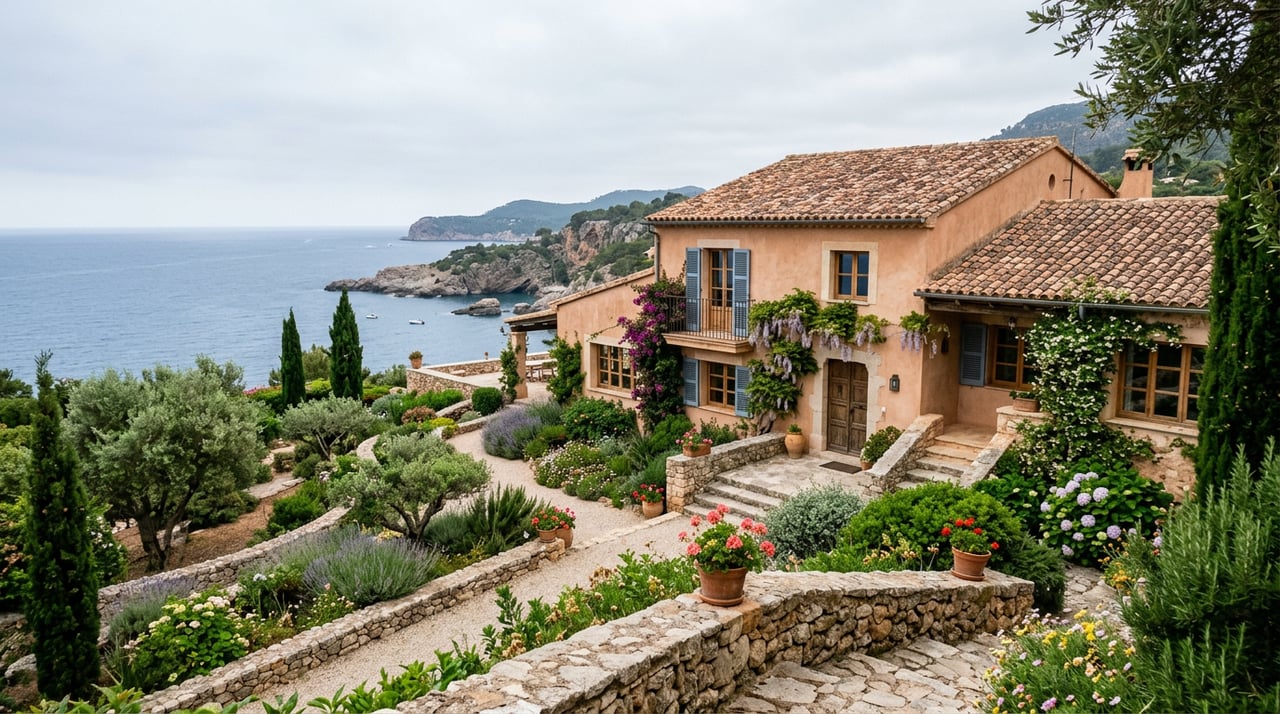
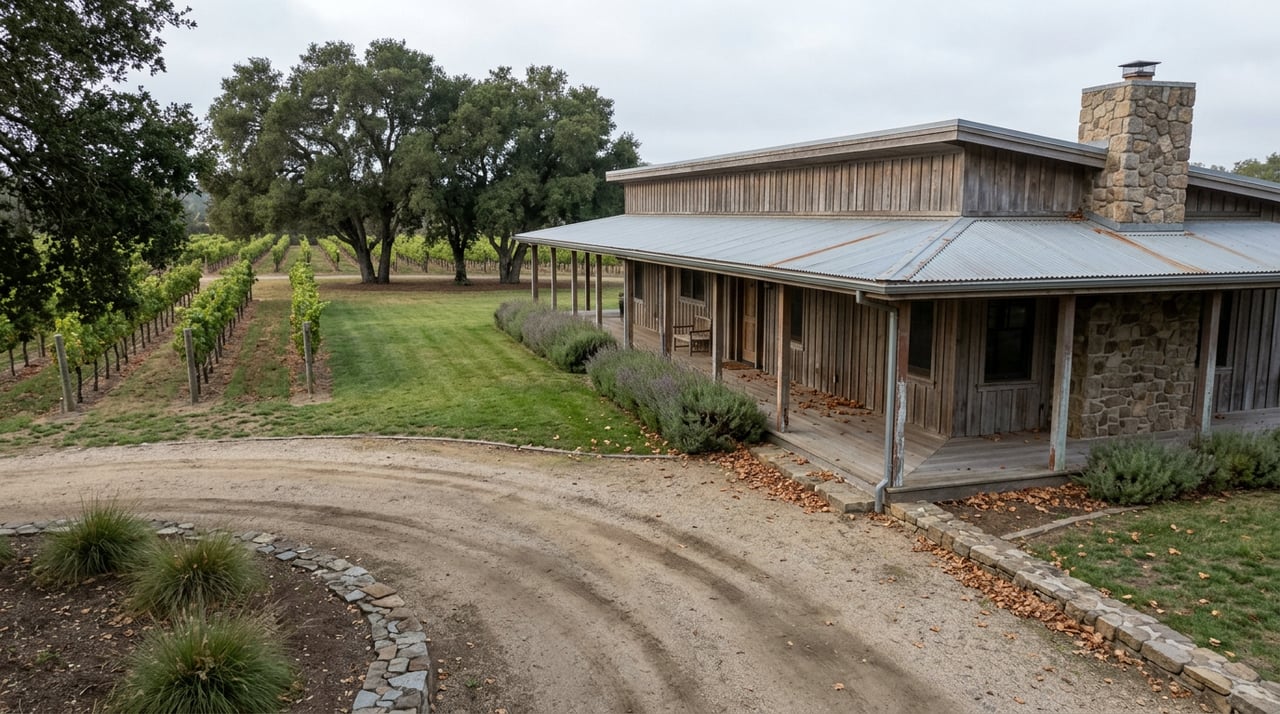
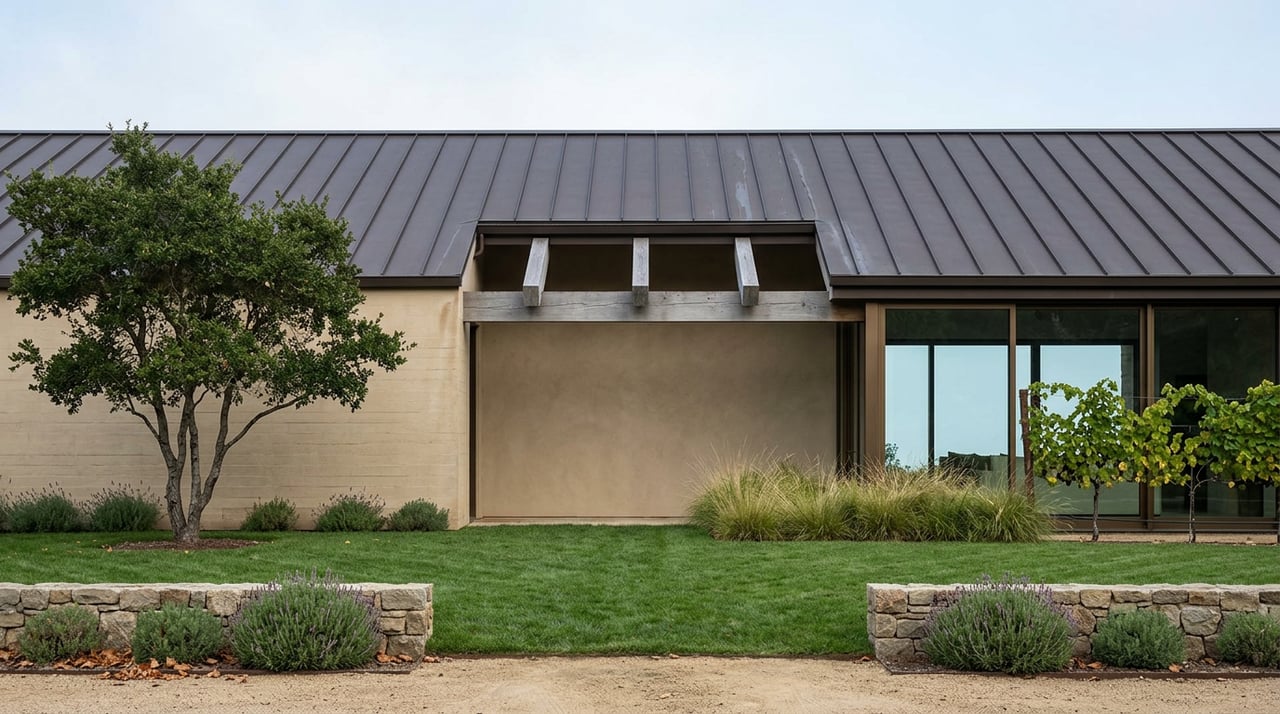
Get assistance in determining current property value, crafting a competitive offer, writing and negotiating a contract, and much more. Contact me today.
Get in touch to learn more.
ADDRESS
Compass
801 Chapala St
Santa Barbara, CA 93101
MAILING ADDRESS
PO Box 311, Santa Ynez, CA 94360