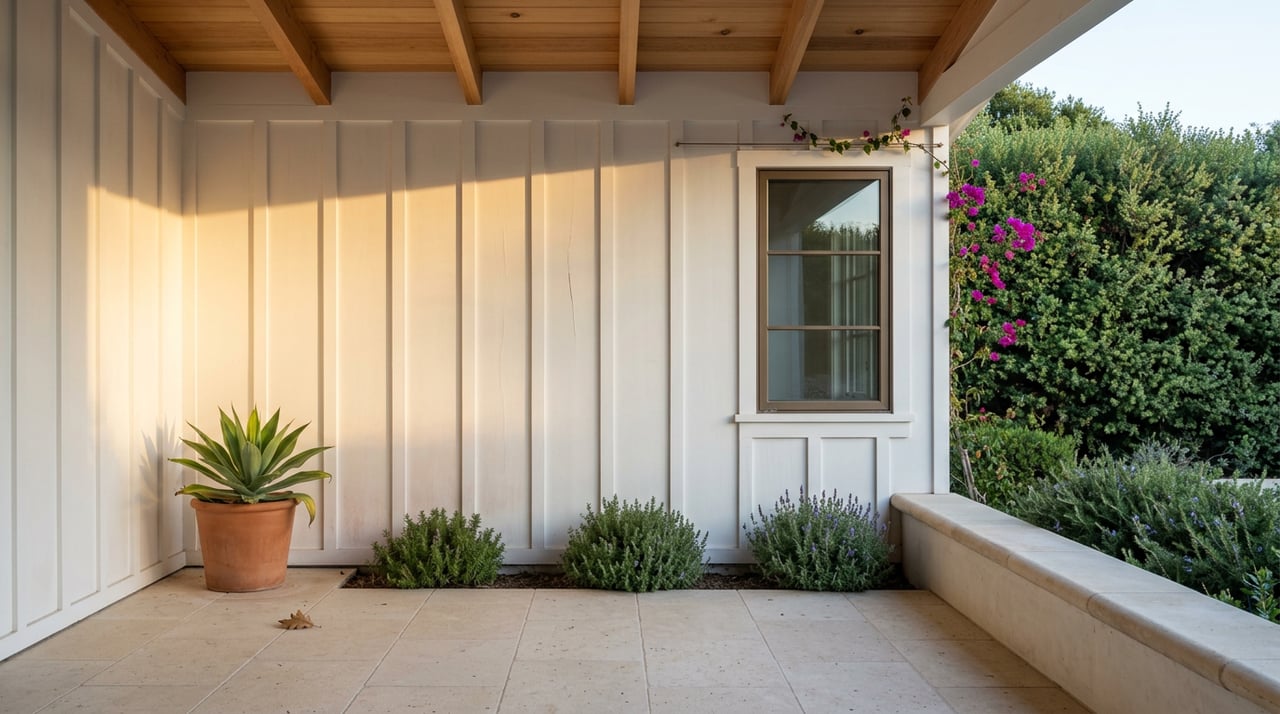
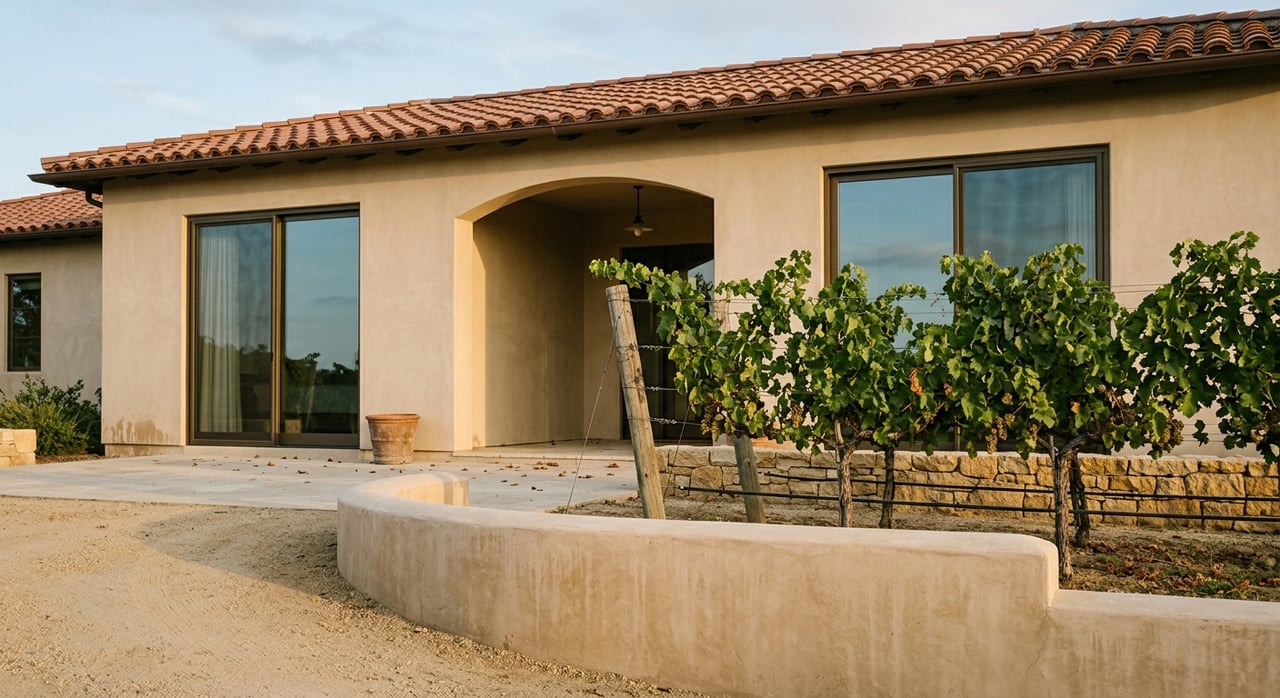
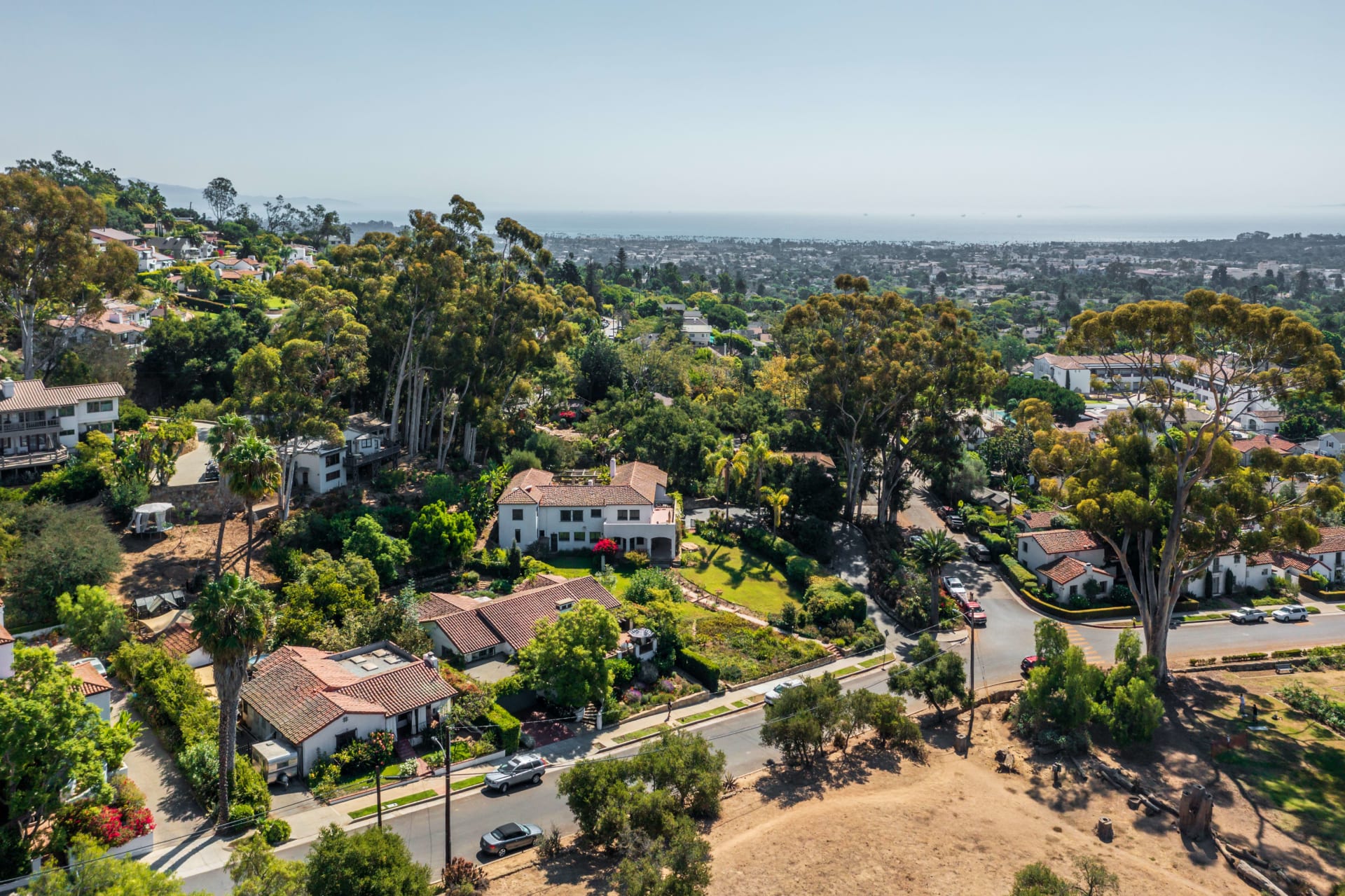
What draws you to a home at first glance — the warm glow of terracotta tile or the clean edge of a glass wall? In Montecito, architecture is a lifestyle choice as much as a design decision. You want a place that fits how you live, performs well in our coastal climate, and holds long-term value. This guide helps you read listings and photos, compare major styles, and understand upkeep, systems, and site considerations so your shortlist feels right from the start. Let’s dive in.
Montecito’s setting shapes design
Montecito sits between the Santa Ynez Mountains and the Pacific, with a Mediterranean climate and steady coastal breezes. Homes here are oriented for views and cross‑ventilation, and many feature courtyards, shaded loggias, and deep roof overhangs that make indoor/outdoor living effortless. Slope and drainage influence siting and construction, especially on hillside parcels.
You should also evaluate resilience. The area has wildfire exposure and has experienced notable storm and debris‑flow events, which inform today’s drainage, defensible space, and hillside stabilization practices. Portions of Montecito fall within the coastal zone and may face additional planning review, and some properties carry historic‑resource considerations.
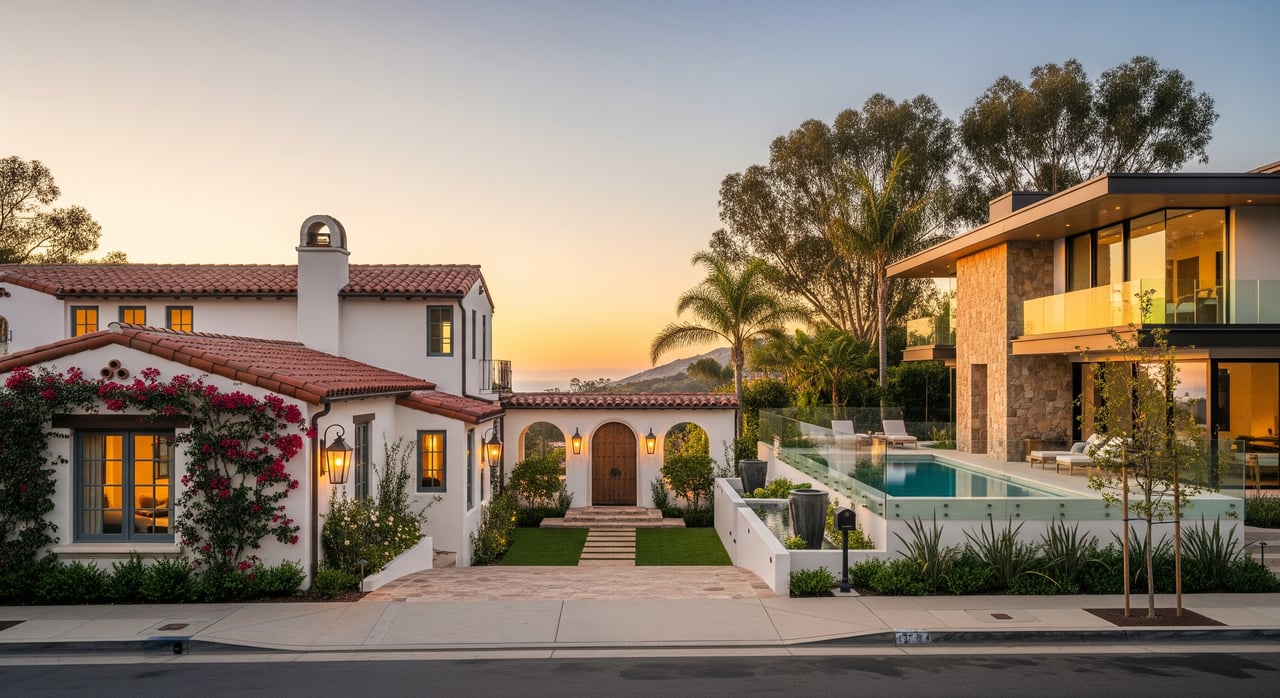
Spanish Colonial Revival
Key hallmarks
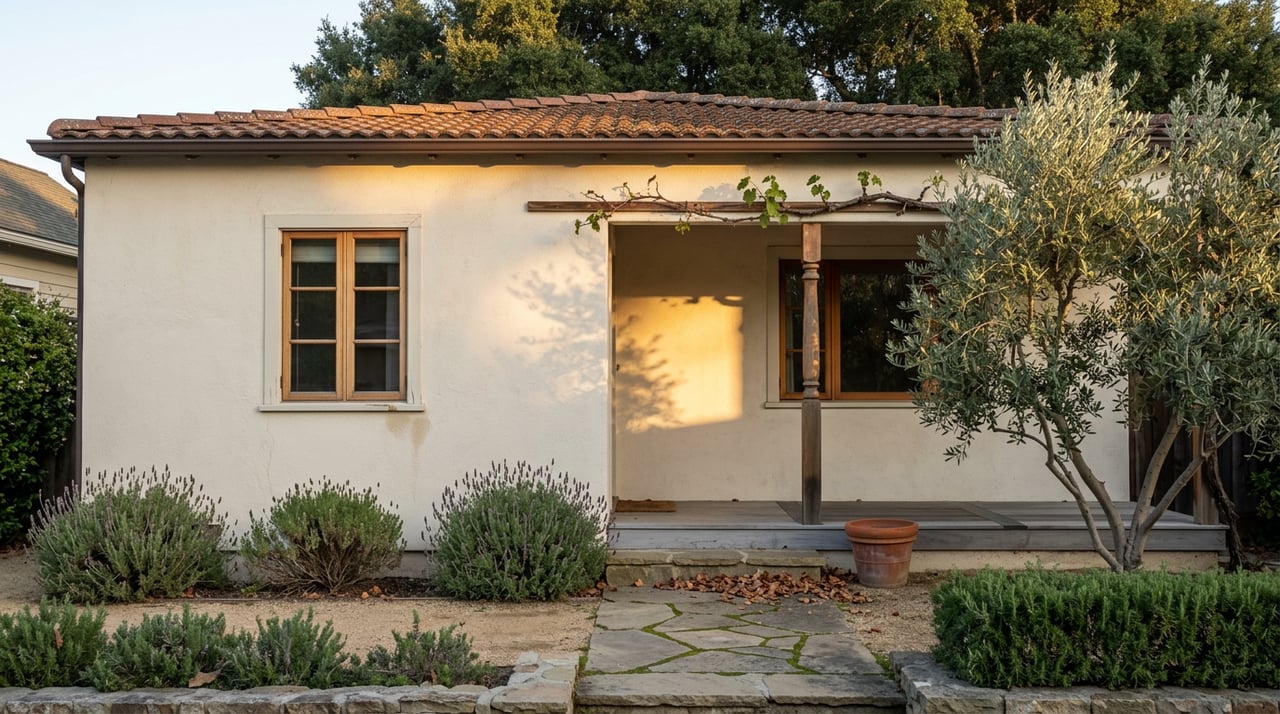
- Smooth stucco walls in white or light earth tones
- Low‑pitched red clay barrel tile roofs
- Asymmetrical massing around courtyards and arcades
- Arched doors and windows, loggias, wrought iron, and carved wood
- Exposed timber beams, decorative tile, plaster fireplaces, and deep window reveals
Lifestyle fit
If you love intimate, human‑scaled rooms and shaded outdoor rooms, this style delivers. Courtyards extend living spaces while protecting from wind and sun, and classic details create warmth and character. Many estates sit amid mature Mediterranean landscaping with fountains and enclosed gardens.
Upkeep and upgrades
- Clay tile roofs are durable; verify underlayment and flashing age.
- Stucco can crack and needs periodic repair and paint.
- Older systems may require seismic upgrades, insulation, HVAC modernization, and moisture management in thick walls.
- Authentic materials like handmade tile and wrought iron can be expensive to replicate.
Buyer cues in photos and listings
- “Spanish Colonial,” “courtyard,” “arched loggia,” “barrel tile roof”
- Deep‑set windows, patterned stair risers, tiled fountains
- Tower elements, decorative chimney caps, heavy wood doors
Mediterranean villas
Key hallmarks
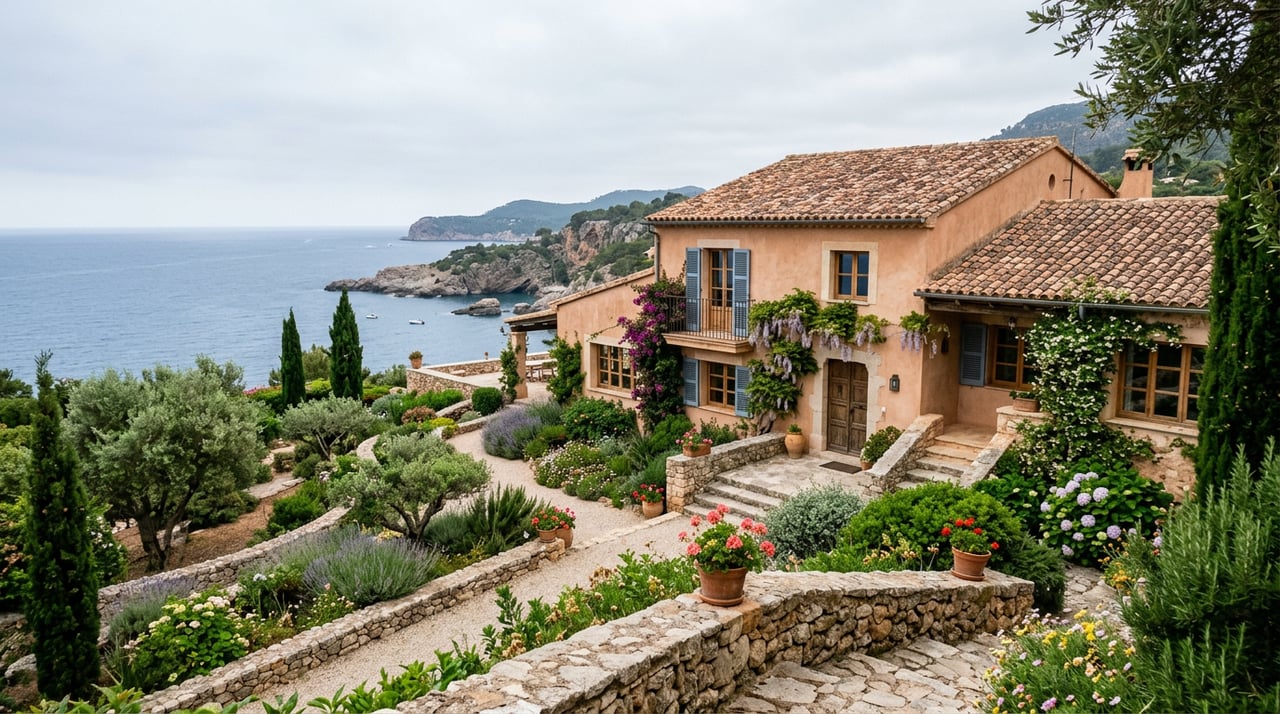
- Stucco walls with clay tile roofs and more formal symmetry
- Taller arched openings, larger windows, classical columns, and cornices
- Stone terraces, balustraded balconies, and formal entrance loggias
- Grand staircases, coffered ceilings, and polished stone in public rooms
Lifestyle fit
Choose this if you prefer formal entertaining spaces, axial garden views, and terraces designed for large gatherings. The architecture balances coastal living with a refined, European sensibility.
Upkeep and upgrades
- Stonework and stucco detailing need specialized trades for repairs.
- Larger windows and balcony details may require structural reinforcement to meet modern seismic and safety standards.
- Updating sympathetically can be costlier due to custom ornamental work.
Buyer cues in photos and listings
- “Mediterranean,” “villa,” “balustrade,” “formal gardens,” “stone terraces”
- Classical symmetry, tall arched openings, generous balconies
Mid‑century modern
Key hallmarks
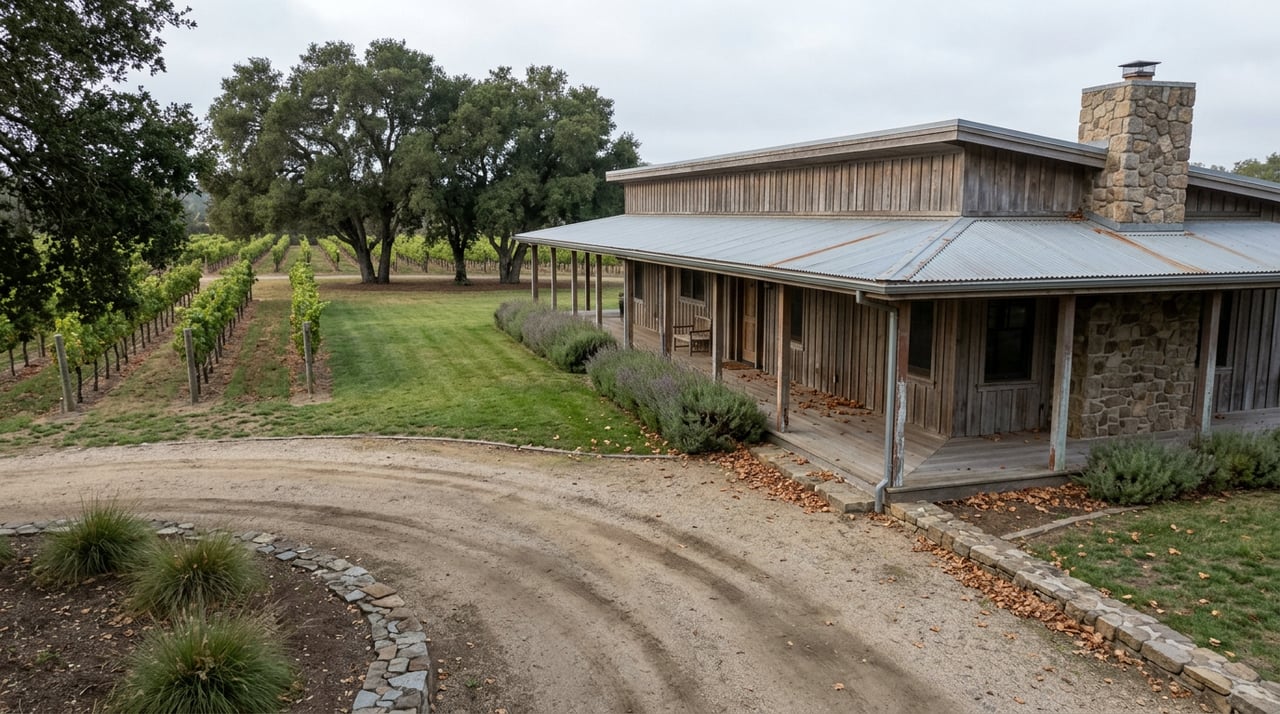
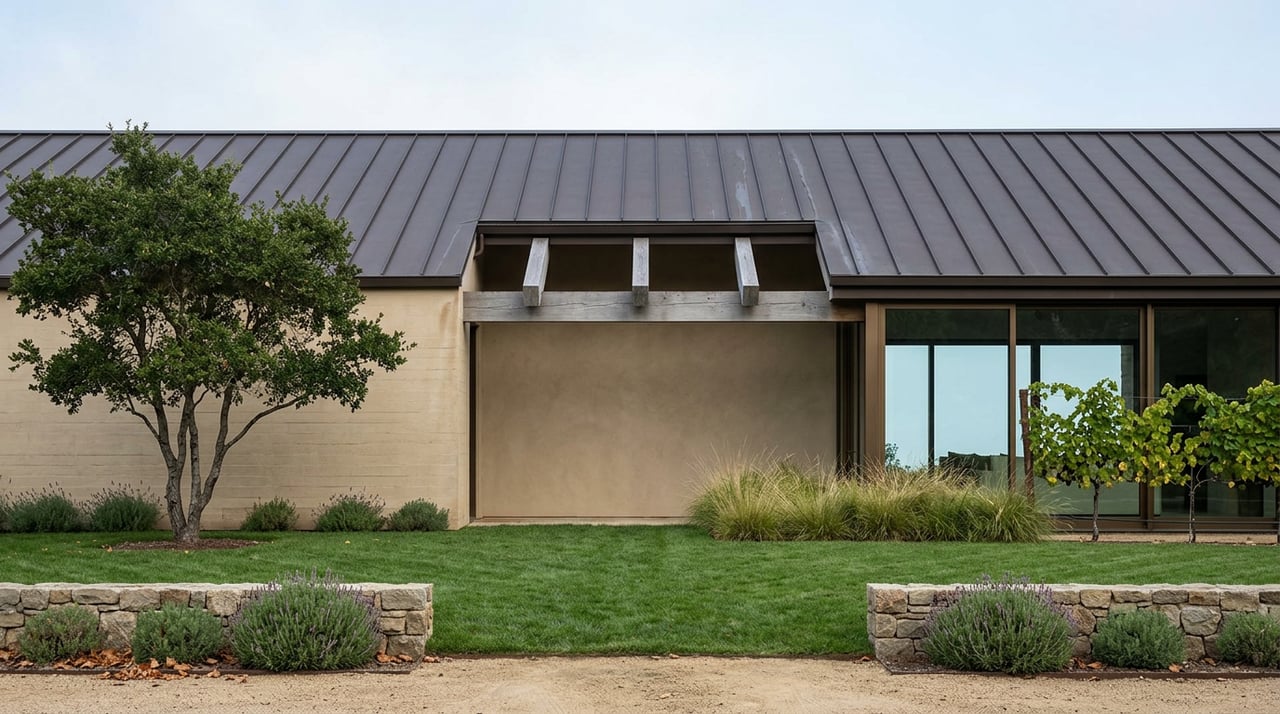
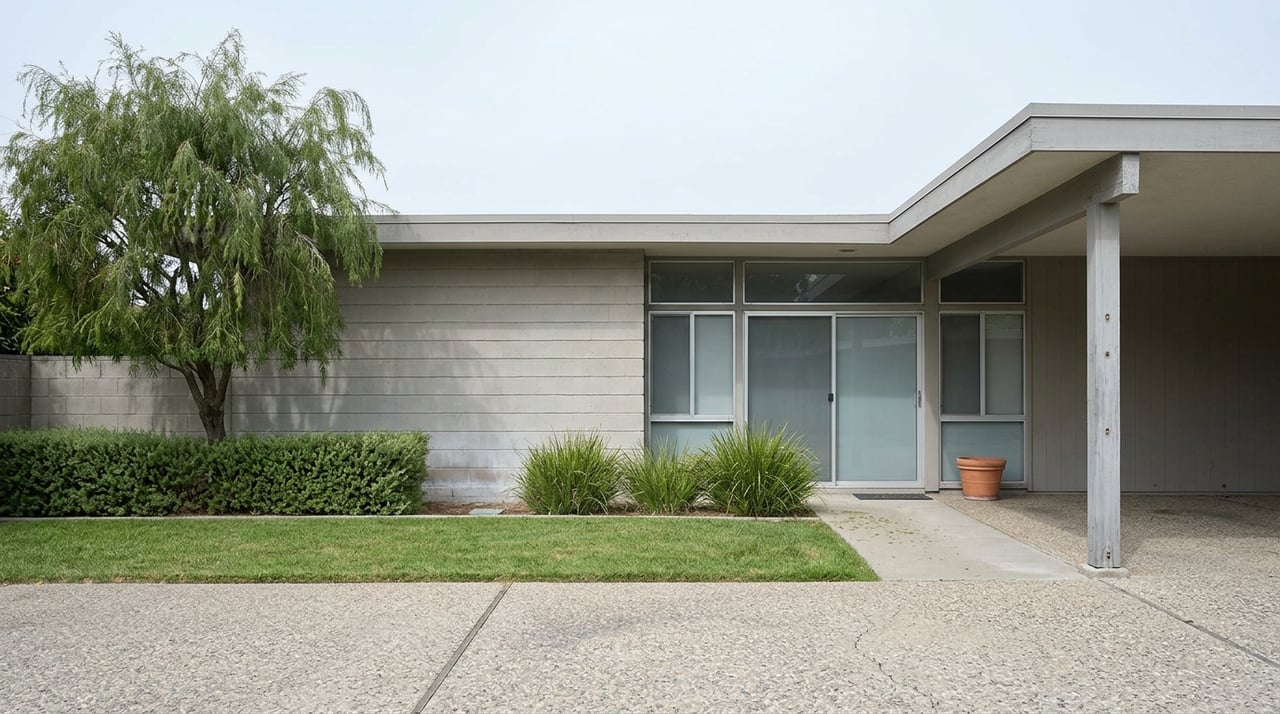
- Low profiles, flat or low‑slope roofs, and broad overhangs
- Floor‑to‑ceiling glass, clerestories, and horizontal emphasis
- Post‑and‑beam construction with wood, local stone, and minimal trim
- Open plans that spill onto patios and pools positioned off main living areas
Lifestyle fit
You get a seamless connection to nature, long sightlines, and casual living that centers on light and flow. Many homes are sited to capture mountain‑to‑ocean vistas and cross‑breezes.
Upkeep and upgrades
- Expect glazing upgrades for energy performance and comfort.
- Flat or low‑slope roofs need diligent waterproofing and maintenance.
- Older structures often benefit from seismic retrofits and electrical/plumbing modernization.
- Preserve original built‑ins, cabinetry, and terrazzo when possible; authenticity adds value.
Buyer cues in photos and listings
- “Mid‑century,” “post‑and‑beam,” “open plan,” “floor‑to‑ceiling glass”
- Continuous glass walls, exposed beams, minimal trim, integrated built‑ins
Contemporary luxury
Key hallmarks
- Clean geometric forms with mixed materials like glass, steel, concrete, stucco, and natural wood
- Expansive sliding or folding glass panels and multiple terraces
- Flat or low‑slope roofs, cantilevers, and dramatic volumes
- Very open layouts, high ceilings, custom millwork, and smart‑home systems
Lifestyle fit
If you want minimalist aesthetics, big views, and resort‑level amenities, contemporary estates deliver. Expect chef’s kitchens with islands, spa‑style baths, wine rooms, wellness suites, and seamless indoor/outdoor living with infinity‑edge pools and outdoor kitchens.
Upkeep and upgrades
- High‑performance systems are efficient but can be bespoke and expensive to service.
- Flat roofs and modern façades demand precise detailing for drainage and waterproofing.
- Landscape lighting, pools, and privacy plantings require ongoing care.
Buyer cues in photos and listings
- “Contemporary,” “modern,” “architect‑designed,” “panel glass walls”
- Minimalist finishes, wide‑plank flooring, polished concrete, and gallery‑like spaces
Match style to your priorities
Use these quick prompts to align design with daily life and long‑term ownership.
- You value historic character and intimate rooms: consider Spanish Colonial Revival.
- You entertain formally and want symmetry and terraces: consider Mediterranean.
- You prioritize indoor/outdoor flow and vintage authenticity: consider mid‑century modern.
- You want minimalism, smart tech, and show‑stopping views: consider contemporary luxury.
- You prefer low‑maintenance exteriors: contemporary and mid‑century with simpler detailing can be easier than ornate stone and ironwork.
- You appreciate handcrafted details and patina: older Spanish or Mediterranean estates offer depth and texture.
Read photos and plans quickly
Focus on a few telltale signals to interpret a listing at a glance.
Exterior cues
- Roof: red barrel tiles suggest Spanish/Mediterranean; flat or low‑slope planes and deep overhangs suggest modern or mid‑century.
- Walls: smooth stucco with deep window reveals often indicates older construction; narrow reveals and large glass suggest newer framing.
- Openings: arched doors and windows lean Spanish/Mediterranean; continuous glazing and corner windows lean modern.
- Ornament: wrought iron, handmade tile, and carved wood hint at period authenticity; uniform manufactured elements suggest recent replacement.
Interior cues
- Exposed beams, plaster walls, and decorative tile align with Spanish/Mediterranean character.
- Built‑ins, original terrazzo, and post‑and‑beam profiles signal mid‑century.
- Seamless floors, large island kitchens, and integrated automation read as contemporary.
Systems and condition
- Ask for roof age and last re‑roof, plus flashing and underlayment details.
- Confirm seismic retrofit records, electrical panel capacity, plumbing materials, and HVAC age.
- For hillside properties, request geotechnical reports, drainage plans, and retaining wall documentation.
- Review any pest or termite reports for wood elements, especially in older construction.
Site, permits, and resilience
Slope, orientation, and wind exposure affect comfort and maintenance. Mediterranean and Spanish Colonial layouts often prioritize courtyards and shaded loggias, while mid‑century and contemporary homes maximize view corridors. On sloped sites, engineered drainage, retaining walls, and past storm management work are essential to evaluate.
Wildfire resilience matters. Roofing materials, ember‑resistant vents, and defensible space practices help manage risk. Clay tile roofs perform well for ember resistance, while untreated wood shake is a liability unless replaced or treated. Near the coast, consider corrosion potential for metalwork and select materials accordingly.
Permitting and reviews vary. Portions of Montecito lie within California’s coastal zone, where County planning and coastal approvals may apply to additions or major remodels. Historic‑resource review can affect changes to significant properties. Budget time for discretionary review and align design plans with local standards early in your process.
Authenticity vs. adaptation
Some newer “Spanish” or “Mediterranean” homes apply stylistic elements to modern framing. There is nothing wrong with that if performance and layout fit your needs. If authenticity is a priority, look for heavier massing, hand‑painted tile, carved wood, aged iron, deep window reveals, and plaster depth that reflect period construction. Decide how much originality matters for your lifestyle, preservation goals, and resale.
Ready to tour with clarity?
When you know the signals to look for, photos and floor plans become easier to decode, and your shortlist gets sharper. Whether you gravitate to a courtyard‑centric Spanish estate, a view‑driven mid‑century, or a glass‑forward contemporary, the right guidance makes all the difference. For discreet, founder‑led representation and access to both on‑market and private offerings, connect with Jan Finley to align architecture, location, and long‑term goals.
FAQs
What defines Spanish Colonial Revival in Montecito?
- Look for smooth stucco, red clay barrel tile roofs, arched openings, courtyards, exposed beams, and decorative tile; many examples date to the 1920s–1930s regional embrace of the style.
How do hillsides affect buying decisions?
- Slope drives siting, views, and drainage; request geotechnical reports, retaining wall records, and stormwater plans, given local experience with storms and debris flows.
Are contemporary estates more energy efficient?
- Many incorporate high‑performance glazing, advanced HVAC, efficient lighting, photovoltaic systems, and water‑wise landscaping, though specifications vary by property.
What should I check for mid‑century homes?
- Evaluate roof condition, glazing upgrades, seismic retrofits, and preservation of original elements like cabinetry, built‑ins, and terrazzo.
What permits impact remodels near the coast?
- Portions of Montecito fall within the coastal zone, where County planning and coastal approvals may be required; historic‑resource review can also apply to designated properties.