Williamson Act in Santa Ynez: What Buyers Should Know
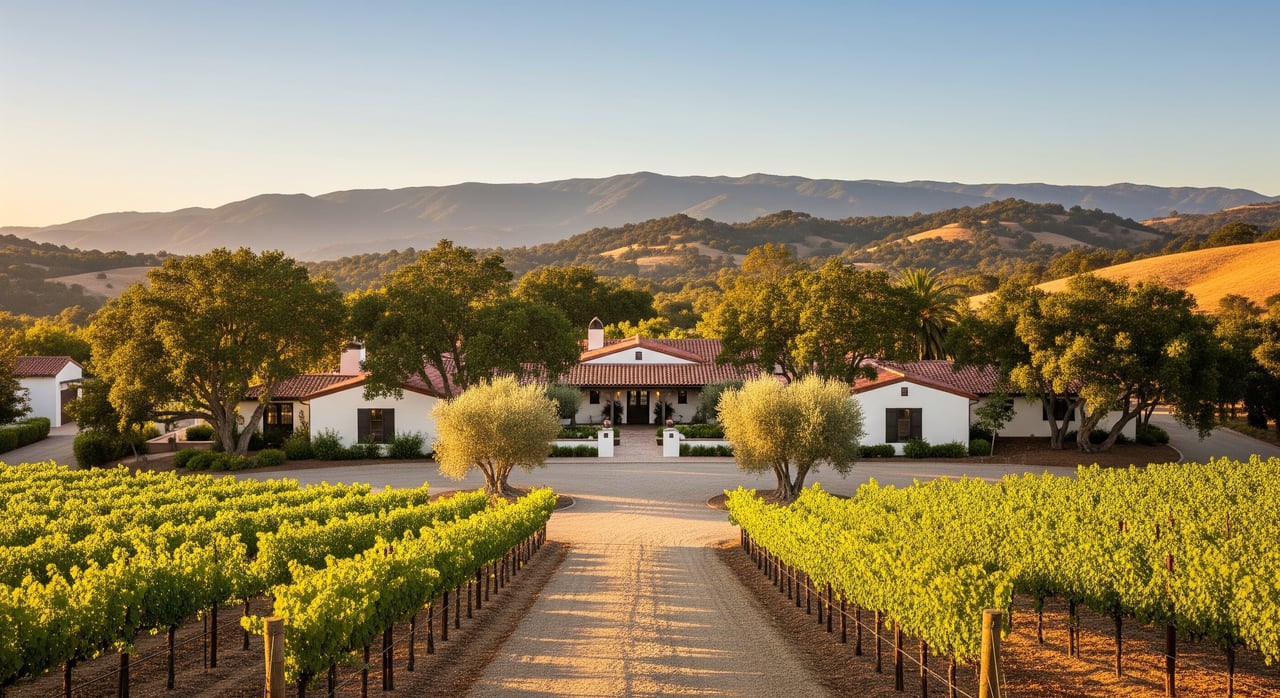
Thinking about buying a ranch, vineyard, or acreage in Santa Ynez? The Williamson Act can reduce your property taxes, but it also sets clear rules for how you can use the land. You want the benefits without surprises. In this guide, you’ll learn what the Act is, how it affects taxes and development in Santa Barbara County, what to check during due diligence, and how different scenarios play out. Let’s dive in.
The Williamson Act is a California program that lets counties contract with landowners to keep agricultural and open-space lands in production. In exchange, the land is taxed based on its agricultural use value rather than its full market value. Contracts are recorded, renew each year, and bind future owners, so you inherit both the benefits and the restrictions when you buy.
Two tools can change a contract’s status:
Some parcels may also be in Farmland Security Zones. These provide stronger protection with longer commitments and larger tax benefits, along with stricter limits on non-agricultural uses.
Under a Williamson Act contract, the county assessor values land based on its agricultural productivity rather than its highest-and-best-use market value. The result is typically lower annual property taxes compared to uncontracted parcels with similar acreage.
You should still confirm the specifics. Ask how the parcel is currently assessed, whether any nonrenewal has been filed, and how values might change if the contract ends. If a future owner cancels or allows the contract to expire, assessments can increase to reflect non-agricultural market value.
Williamson Act contracts prioritize agricultural use and limit conversion to non-ag uses. In Santa Barbara County, that can affect subdivision plans, commercial uses, or the number of homes you can add.
Here is what is commonly allowed or limited:
Always pair the contract with current county zoning, general plan designations, and any overlay districts to understand the full picture of what you can build and where.
A Williamson Act parcel often appeals to buyers who want a working ranch or vineyard and the benefit of lower taxes. It can be less attractive to buyers who plan to subdivide or pursue non-ag development, since cancellation is costly and uncertain.
Lenders review title encumbrances and use restrictions. Many lenders understand agricultural properties and will finance these parcels, but some need extra documentation. Start lender conversations early and confirm appraisal assumptions align with the contract’s limits.
Use this practical checklist during escrow to limit surprises:
If the parcel is under an active contract and you intend to keep it in agricultural use, you usually receive the tax benefit and can proceed with typical ranch or vineyard operations. The contract’s restrictions will limit subdivision and non-ag development, so align your plans to agricultural use.
A Notice of Nonrenewal starts a phased end to the contract, but the land is still under contract during that period. Taxes usually remain based on agricultural value until the term expires. Your timeline for any non-ag project should match the nonrenewal schedule.
Commercial vineyards and most ag-support buildings are generally consistent with the contract. You still must follow county permitting for structures, grading, and water. Larger processing buildings or hospitality-related uses may require additional review or cancellation.
Subdivision commonly triggers the contract’s restrictions. County approval and often a cancellation process will be required, along with potential fees or mitigation. Verify how many residences are allowed under zoning and the contract before you write offers or design site plans.
Expect lenders to consider the Williamson Act as a title encumbrance that affects use and value. Appraisers should account for the contract’s restrictions and the agricultural assessment method. Provide the recorded contract and county confirmations during underwriting to keep timelines on track.
Approach a Williamson Act property like any high-value rural asset. Ground your plans in the recorded contract, current zoning, and your intended use. Budget for permits and professional support if you are adding infrastructure. If your long-term plan includes non-ag development, align it with a realistic nonrenewal or cancellation path.
When you want experienced guidance and discreet representation for ranches, vineyards, and acreage across the Santa Ynez Valley, connect with Jan Finley for founder-led advice and a clear strategy from offer to close.
Stay up to date on the latest real estate trends.



Get assistance in determining current property value, crafting a competitive offer, writing and negotiating a contract, and much more. Contact me today.
Get in touch to learn more.
ADDRESS
Compass
801 Chapala St
Santa Barbara, CA 93101
MAILING ADDRESS
PO Box 311, Santa Ynez, CA 94360