Essential Guide to Equestrian Properties in Los Olivos
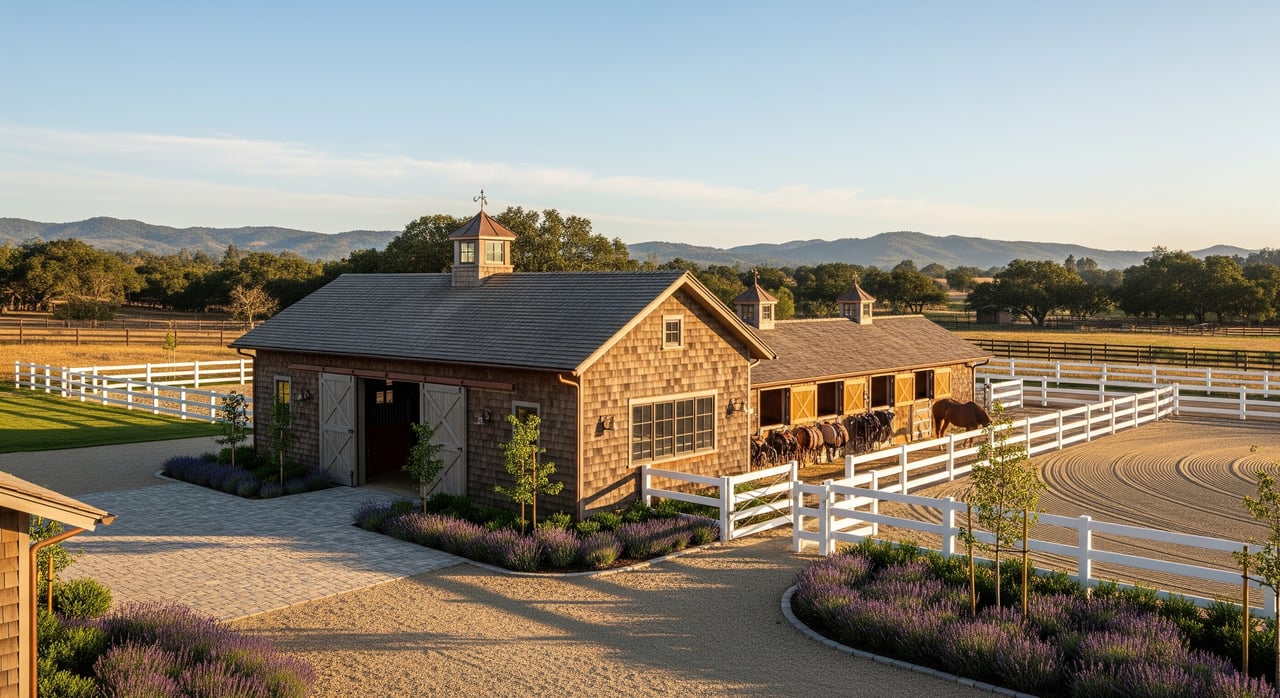
Dreaming of riding out from your own barn in Los Olivos? If you are exploring equestrian property in the Santa Ynez Valley, a few site-specific details will make or break daily life with horses. Between the Mediterranean climate, rolling terrain, and rural infrastructure, you will want a focused plan before you tour. This guide gives you the essentials to evaluate barns, arenas, water, access, and permits so you can buy with confidence. Let’s dive in.
Los Olivos sits in the Santa Ynez Valley of Santa Barbara County. The area has a Mediterranean climate with hot, dry summers and cool, wetter winters. Seasonal drought, low summer rainfall, and periodic fire risk shape how equestrian properties operate.
Terrain ranges from valley flats to rolling hills. Soils are often shallow sandstone or loam with pockets of clay and shale. Soil type affects drainage, pasture productivity, arena construction costs, and even septic suitability, so plan to evaluate it early.
Local rules vary by parcel, corridor, and intended use. Confirm the basics in advance so you do not waste time on the wrong properties.
Common issues to confirm early include zoning and CC&Rs, well production and water rights, septic capacity, permit history for barns and arenas, and any grading permits tied to past or future arena work.
Fire-smart design matters in this region. Whenever possible, keep large hay stores in a separate, well-ventilated structure and locate them downwind of the barn. Inspect electrical systems for horse-safe wiring and appropriate lighting. Confirm two-sided barn access and adequate fire-lane clearance for emergency vehicles.
A common recommendation is to orient the long axis of the arena roughly north to south. This reduces direct sun glare during morning and evening rides. Consider prevailing breezes and local wind corridors to limit dust and avoid wind blowing along the length of the arena.
Choose a relatively flat site with a slight grade of about 1 to 2 percent for positive drainage. Avoid natural drainage swales unless you plan extensive underdrainage and grading. Steeper slopes will increase construction costs and raise future maintenance needs.
Footing options include washed sand, sand blends, and mixes with fibers or recycled rubber. The right choice depends on discipline, budget, and how much maintenance you want to perform. A sound base with compacted sub-base, geotextile where appropriate, and perimeter drainage is essential to prevent erosion and pooling after winter storms.
Expect regular dragging, leveling, and periodic top-off of footing. For dust, consider watering systems or additives, but balance those with seasonal water availability and any restrictions. Arena lighting extends riding hours but may require permits and consideration of neighbor light impacts.
Large trailers and narrow country roads can be a tough match. Build trailer logistics into your first property screening.
Not all acres are equal for horses. Steep slopes, riparian buffers, access roads, and set-asides reduce usable turnout. Walk the property to understand which acres you can actually fence and use. Ask for maps that show paddock layout, utilities, and any easements.
Valley grasses and annuals dominate in this region. Many properties require supplemental hay for much of the year, especially in dry seasons. Ask about local hay supply, typical costs, and storage capacity on site.
Post-and-rail and vinyl rail are common and highly visible when maintained. Woven wire should be paired with a visible top rail to prevent entanglement. Electric fencing can be effective for rotational grazing when properly installed. Standard fence height for riding horses is commonly around 4.5 to 5 feet.
Confirm water source and capacity, including well log, pump rate in gallons per minute, and storage tank size. Production can drop late in summer. Multiple hydrants and troughs reduce daily labor and improve horse care. Auto-fillers and frost protection are helpful where installed.
Clay pockets can create muddy paddocks and hoof issues in winter. Look for evidence of surface water management, such as gravel lanes, vegetative buffers, and defined drainage swales. Cross-fencing and rotation help control erosion and maintain ground cover.
Expect foxtails and other weeds if pastures are not managed. Rattlesnakes occur in the area, so evaluate brush and storage areas. Ticks are present in the region. Discuss prevention with your veterinarian.
Ask for recent well test data, including static level and pumping rate, and request late-summer performance information when possible. Consider total demand, including household use, irrigation, and arena dust control. Storage tanks can buffer seasonal variability.
Most rural equestrian homes rely on septic. If you plan to add a barn bathroom, guest unit, or staff housing, you may need percolation testing and a system upgrade. Ask for septic records, repair history, and drain-field location.
Confirm electrical capacity for fans, lights, water systems, and automated gates. Backup generator capability is a consideration during fire or blackout seasons. Internet and cell coverage can vary by valley pocket, which affects remote monitoring like cameras or auto-waterers.
Use this quick guide when you visit properties in Los Olivos, Foxen Canyon, Ballard, Los Alamos, or adjacent valley roads.
Buying a horse property in Los Olivos is about fit and function. Focus first on water reliability, usable acres, barn safety and ventilation, arena siting and drainage, and real trailer access. Confirm zoning and permits before you fall in love with a layout, then bring in local pros to flag hidden costs and improve your plan.
If you want a discreet, founder-led approach to touring and evaluating equestrian properties across Los Olivos and the Santa Ynez Valley, connect with Jan Finley to Request a Confidential Consultation. You will get seasoned, local guidance and a plan tailored to your horses, your riding, and your time on the property.
Stay up to date on the latest real estate trends.
Get assistance in determining current property value, crafting a competitive offer, writing and negotiating a contract, and much more. Contact me today.
Get in touch to learn more.
ADDRESS
Compass
801 Chapala St
Santa Barbara, CA 93101
MAILING ADDRESS
PO Box 311, Santa Ynez, CA 94360